Kingia Watercolor: Australian Native Craft Design
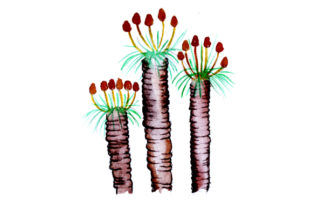
Opening the file for the first time, I immediately felt that quiet, earthy calm that only a well-executed watercolor botanical can bring. The Kingia in Watercolor Style graphic isn't shouty or overly decorative—it sits somewhere between a soft field study and a premium stationery illustration. The brushstrokes feel airy and slightly translucent, with those characteristic bleeds and pigment blooms you'd expect from a real watercolor wash. For anyone building a handmade brand around nature, slow living, native flora, or Australian-inspired collections, this asset slots in like it was always meant to be there.
I could already picture the customer who would stop scrolling for this: someone looking for a gentle, organic aesthetic—think botanical greeting cards, linen tea towels, wedding invitation suites, or mindful journal covers. It has that elegant-but-not-precious quality, so it appeals to both minimalist makers and those who layer lush, garden-party visuals. The Australia origin of the Kingia plant gives it instant storytelling potential, especially for small businesses leaning into native landscapes, bush-to-beach themes, or country markets.
First Impressions: Airy, Organic, and Uniquely Australian
The Kingia in Watercolor Style arrived as a clean bundle: SVG, transparent PNG, EPS, and DXF files. Opening the PNG first, I checked the transparency edges—crisp, no white halo, and the resolution held up beautifully at 300 DPI. The SVG imported into Cricut Design Space with minimal node cleanup, and the layered watercolor effect translated surprisingly well into a single-layer cut file. For a graphic design asset meant to straddle both digital printing and physical cutting, that’s a big win.
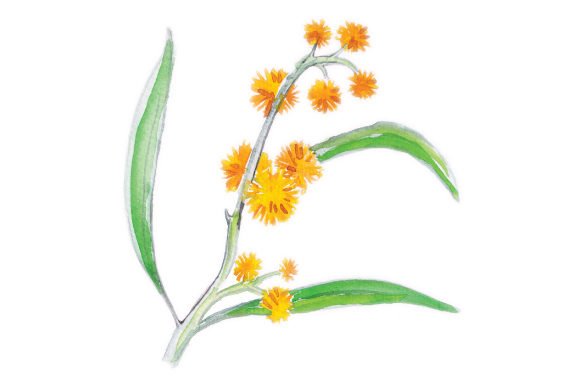
Mood-wise, the illustration reads as gentle, botanical, and slightly whimsical. The stem structure is unmistakably Kingia—tall, slender, with a crown of grass-like leaves—but the watercolor treatment softens the botanical accuracy into something more decorative. I’d describe it as “elegant rustic.” It’s not overly feminine, so it works for unisex products, but it carries a delicate warmth that feels right at home on handmade baby onesies, linen pillow covers, or a handwritten-style recipe card.
Designing for Handmade Products: Where This Watercolor Kingia Shines
After test-importing the files into my usual workflow, I started mapping out real products. This is where the Kingia in Watercolor Style truly shows its versatility. Because the illustration is a standalone botanical rather than a busy pattern, it adapts beautifully to a wide range of crafts without overwhelming the design.
Perfect for Cricut and Silhouette Vinyl Projects
I ran a few test cuts on permanent adhesive vinyl using the SVG. The lines were smooth, and the overall silhouette maintained enough visual interest without needing intricate internal cuts. For a simple tote bag or a heat-transfer vinyl (HTV) t-shirt, the design weeds cleanly. I’d recommend sizing it at least 4 inches wide for HTV; smaller than that, the thin leaf tips can become fiddly to weed, though not impossible. On a canvas zipper pouch or a tote bag, it looks like a hand-painted accent—exactly the kind of premium touch that lets you price a $12 accessory at $28 with confidence.
Sublimation and Print-on-Demand Friendly
The high-resolution PNG file is a dream for sublimation. I printed a mug with the Kingia on one side and a soft, blurred blush background. The watercolor translucency held up, and the colors—sage greens, dusty olive, and a whisper of ochre in the stem—pressed true to my calibrated printer. For tumbler wrap designs, layering a few of these Kingia stems along the bottom of a 20oz skinny tumbler creates a serene, botanical border. I also tested it on a polyester-cotton blend shirt via a print-on-demand mockup; the slightly faded, sun-bleached quality of the watercolor made it look intentionally vintage, not washed out.
Elevating Wedding and Event Stationery
This is an area where the Kingia in Watercolor Style becomes a genuine digital product asset for handmade sellers. I dropped the PNG into a 5x7 invitation template, paired it with a refined serif for the couple’s names and a light handwritten script for the details. Instantly, the suite felt organic, high-end, and distinctly Australian—perfect for a bushland wedding or a boho-luxe anniversary party. The same design placed on a folded thank-you card or a gift tag added a quiet, personal touch that customers adore. If you sell printable design bundles, this file is a strong candidate for a “Native Botanicals” collection.
Technical Considerations Before You Cut or Print
As any experienced crafter knows, a beautiful design doesn’t guarantee a stress-free project. Here’s what I check before using a new asset in customer orders:
- Test the SVG for clean lines. I imported the file into Silhouette Studio and Cricut Design Space. The paths were mostly closed, with only a few stray nodes that I quickly tidied with the simplify tool. If you’re offering a commercial design for sale, plan for a quick node edit to ensure smooth cutting for your buyers.
- Preview PNG transparency. The transparent background is flawless, but always check on a dark surface. The light watercolor washes can lose contrast against black or navy. On a dark mug, I’d add a subtle pale oval behind the design to keep the silhouette crisp.
- Confirm resolution for sublimation. At 300 DPI and a generous size, the PNG scales up to about 8x10 inches without pixelation. For larger prints, like a canvas wall art, vectorize the EPS to maintain sharpness.
- Test colors before production. Watercolor hues can shift on different printers. I always print a test sheet on my sublimation paper and compare it to the screen. The greens in this design are forgiving, but if you’re pairing it with a specific brand palette, run a proof.
- Check how it looks on mockups. Place the design on your product mockups before committing. I tested it on a white linen cushion, a kraft paper card, and a clear phone case. The flexibility of the watercolor style means it adapts well, but the mockup step reveals whether the scale feels balanced.
Real-World Business Scenario: Etsy Shop Launch with Kingia
Imagine you’re preparing a small batch of handmade products for a local craft fair or an Etsy product launch. I’m currently working on a “Native Stillness” collection—tote bags, greeting cards, and A4 art prints all featuring Australian botanicals. I used the Kingia in Watercolor Style as the hero illustration for a series of linen tea towels. I paired it with a simple sans-serif font in a dusty charcoal, and the result was stunning: understated, gallery-shop quality. I also printed the same design on recycled cardstock for gift tags, tying them with jute twine. The cohesive look across products instantly elevates the brand perception, and customers start to see a curated collection rather than a random assortment.
For small business branding, this asset also works as a subtle logo accent. I placed a tiny Kingia silhouette next to a shop name on a hang tag, and it tied the packaging together beautifully. Because the design is recognizable as a native plant, it communicates a story—something that generic florals simply can’t do.
Pairing Kingia with Fonts and Other Design Elements
One of the strengths of the Kingia in Watercolor Style illustration is its adaptability to different typography styles. Here’s what I tested:
Font Pairings That Complement the Watercolor Look
- Serif fonts: A classic Garamond or a soft, modern serif like Cormorant adds a timeless, editorial feel. Ideal for wedding stationery or art prints.
- Handwritten and script fonts: A light, flowing script (think Shorelines or Autumn in November) amplifies the organic, personal touch. Perfect for gift tags and thank-you cards.
- Sans-serif fonts: A clean, minimalist sans-serif (like Montserrat Light) anchors the airy watercolor, giving it a contemporary, clean finish. I love this combo for tote bags and modern home decor.
- Display fonts: For a bolder statement, a condensed uppercase serif or a trendy flared serif can create a striking contrast. Use sparingly to keep the illustration as the focal point.
When combining with other clipart or illustration elements, I’d recommend keeping the palette cohesive. The Kingia’s muted greens play well with blush, terracotta, warm cream, and soft eucalyptus tones. Avoid overly bright or neon accents unless you’re deliberately going for a pop-art contrast.
Licensing and Commercial Use for Handmade Sellers
Before you list anything using this graphic design asset, double-check the commercial license terms. Most craft-ready SVG and PNG bundles come with a standard license that allows you to create physical products for sale—handmade tumblers, mugs, shirts, cards, stickers, and so on. However, if you plan to sell the design itself as a digital file, or include it in a design bundle for resale, you may need an extended license. The same applies to print-on-demand: some licenses restrict uploading the raw file to a third-party printing service. Always read the fine print. For this particular asset, the file set includes formats that are commonly used for both personal and small commercial use, but I treat every purchase with the assumption that I need to verify commercial design permissions before cutting a single product for a customer order.
Final Thoughts: Is Kingia in Watercolor Style Worth Adding to Your Craft Toolkit?
For the handmade business owner who wants to weave subtle Australian botanical storytelling into their products, this Kingia in Watercolor Style design is a quiet workhorse. It’s not a flashy, trend-driven graphic; it’s the kind of asset that builds a considered, cohesive brand over time. I’ve used it on mugs, tea towels, stickers, greeting cards, and even a journal cover, and each time the finished product feels intentional and premium. The watercolor texture adds depth that flat vector illustrations can’t always achieve, and the native plant silhouette gives it a specificity that sets it apart from generic floral design assets.
Whether you’re a Cricut or Silhouette crafter making gifts, a printable product designer building a shop, or a seasoned market stall holder looking for a fresh addition to your spring collection, this file earns its place. It cuts well, prints beautifully, and invites that all-important pause from a buyer—the moment they feel a connection to something handmade and real.