Bunch of Bananas - Watercolor Style: A Designer's Review
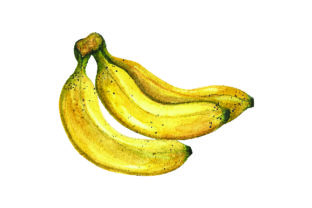
When a batch of custom tote bag orders landed on my desk last month, I knew I needed a design that felt both playful and refined. The client wanted something for a farmers’ market pop-up, and the Bunch of Bananas - Watercolor Style file caught my eye immediately. It wasn’t just another flat banana graphic. The watercolor treatment gave it a painterly, organic edge that I could already picture stitched onto natural canvas. That first impression matters a lot when you’re building a handmade product line. This design felt like it could carry a real story, not just a motif.
Why the Watercolor Mood Makes a Difference in Embroidery Products
The soft washes, the gentle color transitions, and the slightly imperfect edges of a watercolor style set a completely different mood than a solid vector illustration. With the Bunch of Bananas - Watercolor Style, the mood is warm, approachable, and a little bit artistic. It’s not trying to be photorealistic. Instead, it embraces the charm of handmade art, which aligns perfectly with the values of many small shop owners and crafters. When I see a design like this, I immediately think about how it will elevate a simple tea towel or a baby onesie into something that feels like a boutique piece. The subject—a bunch of bananas—is instantly recognizable, but the watercolor treatment adds a layer of sophistication that pure cartoon designs often lack. That kind of visual personality is exactly what helps a product stand out on Etsy or at a craft fair.
Real-World Embroidery Applications: Where This Design Belongs
After testing the Bunch of Bananas - Watercolor Style on several fabric swatches, I can confidently say it belongs in a wide range of finished products. The motif is versatile enough for custom apparel, home textiles, and even accessories. Here are some of the projects where it truly shines:
- Kitchen linens: Aprons, tea towels, and pot holders get an instant personality boost. The food theme fits naturally, and the watercolor effect softens the look so it feels curated rather than kitschy.
- Tote bags and market bags: The design scales well for the front of a canvas tote, giving it a farmers’ market vibe. It’s a great conversation starter.
- Baby and children’s items: On a bib, a tiny sweatshirt, or a nursery pillow cover, the banana bunch is gender-neutral and cheerful without being overly loud.
- Summer apparel: Lightweight sweatshirts, short-sleeve tees, and even baseball caps can carry this design well. The tropical, fresh feel makes it perfect for warm-weather merchandise.
- Personalized gifts: Adding a monogram or a name alongside the design turns it into a thoughtful gift for housewarmings, new parents, or food lovers.
In each case, the watercolor look helps the product feel more like a small-batch art piece and less like mass-produced decoration. That’s a huge advantage for anyone selling handmade items.
Stitching the Watercolor Effect: Digitizing Tips for a Painterly Finish
The biggest challenge with any watercolor-style embroidery design is translating those soft, blended washes into thread. The Bunch of Bananas - Watercolor Style digital file comes in formats like SVG, Transparent PNG, EPS, and DXF—so you have a clean vector base to work from. However, the digitizing step is where the real artistry happens. I’ve learned through plenty of trial and error that you can’t just auto-digitize a watercolor image and expect a beautiful result. Instead, you need to think about how to simplify the color transitions without losing the painterly feel.
I recommend breaking the design into a few distinct color zones. For the bananas, pick three or four shades of yellow—pale buttercream, a mid-tone golden yellow, a warm ochre, and maybe a touch of soft brown for shadow. Use a combination of fill stitches with slightly irregular edges or a light satin stitch that tapers to mimic brush strokes. Variegated thread can be a game-changer here; it naturally blends tones and mimics the uneven wash of watercolor. For the banana peel and leaf accents, choose a couple of softened greens. The transparent PNG mockup is invaluable for testing how the colors will look on screen before you commit to thread. I always print a mockup and hold it up to the fabric I’m using to check contrast.
Customer Appeal and Boutique Value
When I think about how a customer reacts to an embroidered product, the first thing they notice is the overall impression. The Bunch of Bananas - Watercolor Style has a gentle, welcoming quality that invites people in. It’s not aggressive or overly trendy; it’s timeless in its own way. I’ve seen that kind of design translate into faster sales at craft fairs and better engagement on handmade platforms. Customers often associate watercolor art with authenticity and care, which builds trust and increases the perceived value of the finished product. For a small business owner, that means you can price your work a little higher and still attract buyers who appreciate the nuanced look. Whether you’re selling embroidered kitchen towels, custom patches, or boutique baby gifts, this design adds a layer of professional polish that generic clipart simply can’t match.
Where to Use It Carefully: Fabric, Hoop, and Placement Considerations
No design is perfect for every situation, and the Bunch of Bananas - Watercolor Style is no exception. Because the watercolor effect often includes soft, wispy edges and subtle color fades, you need to be mindful of a few fabric and placement challenges:
- Dark fabrics: The transparency that gives the design its charm can disappear on black or navy backgrounds. If you must use it on dark fabric, consider adding a light underlay or digitizing a slightly more opaque fill stitch. Alternatively, test a version with a faint outline to define the shapes.
- Textured fabrics: Terry cloth, fleece, or heavily textured weaves can muddy the watercolor details. A smooth, tightly woven cotton or linen gives the best stitch definition.
- Stretchy garments: On sweatshirts or baby onesies, use a quality cut-away stabilizer to prevent the design from distorting. The painterly edges can become wavy if the fabric pulls.
- Small hoop sizes: The design needs to be simplified if you’re working with a 4x4 inch hoop. The watercolor strokes might become too dense or lose their character. Scale it thoughtfully and test the stitch-out before committing.
- Curved surfaces: Caps and hats can warp the flow of the watercolor wash. I’d stick to flat or gently curved surfaces for the best visual impact.
From a Designer’s Toolbox: Practical Advice Before You Stitch
Every time I add a new embroidery file to my library, I run through a mental checklist. The Bunch of Bananas - Watercolor Style is no different. Here’s what I always do before using it in a real project—and what I recommend to other makers:
- Test on scrap fabric first. Even if you’ve digitized the design perfectly, different fabrics take thread differently. Stitch it out on a material similar to your final product.
- Check thread color contrast. Use a black-and-white mockup of the design to see if the values hold up. If the bananas blend into the background, adjust the thread shades.
- Review stitch density. Watercolor designs can become stiff if the fill is too dense. Aim for a lighter coverage that lets the fabric breathe.
- Confirm hoop size. The design files you receive are in vector formats, so you can scale them, but embroidery has limits. Know your machine’s maximum hoop area and plan accordingly.
- Inspect small details. The watercolor strokes might include tiny flecks or thin lines. In embroidery, those can become single stitches that break easily. Simplify or eliminate them if needed.
- Test on both light and dark backgrounds. The same design can look completely different on oatmeal linen versus white cotton. I often stitch a sample on both to see which one sells better.
- Use proper stabilizer. For most projects, a medium-weight cut-away stabilizer works well. For thinner fabrics, add a tear-away topper to keep stitches from sinking.
The Digital File Advantage for Craft Business Owners
One thing I appreciate about the Bunch of Bananas - Watercolor Style is that it arrives in multiple formats. The SVG file is perfect for those who also work with cutting machines, while the transparent PNG lets you create realistic product mockups without stitching a single sample. The EPS and DXF formats give you full editing control if you need to tweak the artwork before digitizing. For Etsy sellers and digital product creators, having these assets means you can offer customers a cohesive look across physical and digital items. However, always check the licensing terms before selling finished items or incorporating the design into a new digital product. The provided formats make it clear you’re getting a versatile design asset, but the commercial use details should be confirmed directly with the seller. This is standard practice and protects your business.
A Real-Life Example: Banana Tea Towels That Sold Out
Let me share a concrete example. I was preparing a line of linen tea towels for a small kitchen boutique last spring. The owner wanted something fresh, food-related, but not overly cute. I pulled up the Bunch of Bananas - Watercolor Style design, digitized it with a light fill stitch and variegated yellow thread, and stitched it onto a soft gray linen. The result was stunning. The watercolor effect gave the towels a hand-painted quality that looked like a custom illustration. I placed the design in the bottom corner of the towel, slightly off-center, which added an artistic asymmetry. Within two weeks, the entire batch sold out, and the shop owner asked for a restock. Customers specifically mentioned the “pretty watercolor bananas” in their feedback. That kind of response tells me the design has real market appeal and translates beautifully into a finished product.
Final Thoughts on the Bunch of Bananas - Watercolor Style
As an embroidery designer, I’m always looking for files that balance artistry with practicality. The Bunch of Bananas - Watercolor Style delivers on both fronts. It’s not a hyper-detailed, overly complex file that will cause headaches during digitizing, but it’s also not so simple that it looks generic. The watercolor touch gives it a boutique feel, perfect for handmade sellers, while the banana theme slots easily into the food and kitchen crafts category. Whether you’re making custom apparel, personalized gifts, or small-batch home decor, this design adds a splash of personality that customers remember. Just remember to test it thoroughly, respect the fabric and stitch considerations, and use the digital files as a creative starting point. When you do, the Bunch of Bananas - Watercolor Style becomes more than just a design—it becomes a reliable tool for building a cohesive, memorable product line.