Crow in Watercolor for Crafts and Animal-Themed Products
When I first opened the Crow in Watercolor file set, I was looking at it through the lens of a seller who has launched dozens of digital product collections across Etsy, Creative Fabrica, and a handful of print-on-demand storefronts. The question I always ask with any new graphic design asset is simple: can this help someone build a sellable product line, or is it just a pretty piece that sits unused in a folder? This crow carries a mood that feels immediately useful for a specific corner of the Animals niche, and I want to walk through how I would test it, position it, and build around it before publishing a single listing.
First Look at the Watercolor Crow and Its Visual Personality
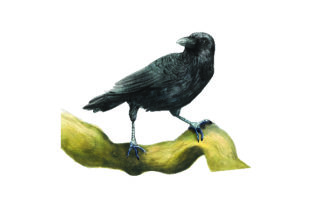
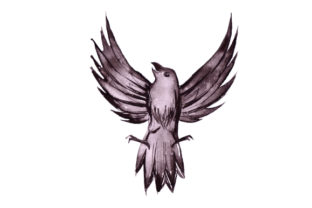
The crow arrives with a loose, organic watercolor treatment that leans toward the atmospheric side of handmade illustration. It is not a hyper-realistic bird study, nor is it overly cartoonish. The brushwork has a slightly moody, literary quality that reminds me of vintage natural history illustrations softened by a modern watercolor wash. This puts it in a sweet spot for buyers who want something that feels artistic and slightly rustic without being messy or unpolished.
For a digital product creator, the mood of an asset determines its marketability. A crow is not a universal crowd-pleaser like a robin or a bluebird. It attracts a more specific audience: gothic decor enthusiasts, Halloween product creators, literary fans drawn to Poe-inspired imagery, nature lovers who appreciate corvids, and buyers looking for something with a darker, more contemplative visual tone. That specificity is a strength if you know how to position it. Broad-appeal designs compete with thousands of similar listings. A well-chosen crow illustration can anchor a niche collection that attracts repeat buyers.
Testing the Watercolor Crow Across Real Product Scenarios
Before I list any printable design or SVG design for sale, I run it through a mental checklist of product types. Here is how I would test the Crow in Watercolor across formats that actually sell.
For printable wall art, this design works beautifully. The watercolor texture gives it the kind of depth that looks expensive when printed on matte paper or textured cardstock. I would test it in a minimalist gallery wall set, perhaps paired with botanical illustrations or vintage book pages. A crow print can anchor a moody, academic-style room decor collection that performs well in autumn and winter months.
On the t-shirt design and mug design side, the PNG design with its transparent background makes placement straightforward. The watercolor edges mean you need to check how it sits against different fabric colors. On a light gray or oatmeal tee, the crow would hold its own. On a dark heather background, the subtle washes might lose definition, so I would test a mockup on both light and dark bases before committing to a product listing.
For Cricut project users, the SVG design file is the one to scrutinize. Watercolor designs converted to cut files can be tricky because the organic edges and paint splatters do not always translate into clean cutting paths. I would run a test cut on adhesive vinyl and heat transfer vinyl to see if the cut lines are too complex or if the design holds together well. If the SVG cuts cleanly, this becomes a strong option for tote bags, journal covers, and framed vinyl decals. If the cut lines are overly intricate, I would market it primarily as a print-then-cut or sublimation-ready graphic instead.
Building a Product Collection Around One Strong Asset
A single crow illustration is rarely enough to build a full shop around, but it can be the anchor piece for a themed design bundle. I would look at the Crow in Watercolor and immediately plan a seasonal or mood-based collection. A Gothic Nature bundle could include this crow alongside a raven, a moth, dark florals, and vintage botanical elements. A Halloween Birds set could pair it with owls and bats. A Literary Animals collection could feature the crow with a quill, old books, and inkwell illustrations.
This approach increases the perceived value of each listing. Buyers browsing a creative marketplace like Etsy or Creative Fabrica are drawn to cohesive bundles that save them time. A well-curated pack anchored by a strong watercolor crow can command a higher price point than a single clipart file. It also gives you multiple listing opportunities because you can sell the crow individually, in a small trio, and in a larger bundle, each targeting different customer segments.
Mockup and Listing Presentation That Sells
The difference between a listing that converts and one that sits untouched often comes down to product mockup quality. A watercolor design like this crow needs to be shown in context. I would place it on a framed print mockup with a wooden desk and a dried flower for the lifestyle shot. For the print-on-demand audience, I would show it on a crewneck sweatshirt, a canvas tote, and a ceramic mug. The thumbnail needs to communicate at a glance that this is a premium, artistic graphic, not a basic clipart file.
When I prepare Etsy product listing images, I always test how the design reads at thumbnail size. A dark crow against a white background has strong contrast and good visual hierarchy. The silhouette is recognizable even when scaled down, which helps with click-through rates in search results. This is a practical advantage that many sellers overlook. A design that is too detailed or too low-contrast can blend into the background of a crowded search page.
Where the Crow in Watercolor Shines Brightest
After testing this asset across mockups and product types, I see several clear sweet spots. The watercolor texture makes it ideal for printable design products where the handmade quality adds value. Greeting cards, invitation templates, and art prints all benefit from the organic brushwork. Sublimation design applications on tote bags, pillows, and tumbler wraps also work well because the watercolor edges blend naturally into fabric surfaces.
The crow also fits into social media graphics and blog graphics for creators in the bookish, cottagecore, and dark academia niches. A Canva template seller could use this illustration as a decorative element in quote graphics, reading challenge templates, or seasonal content planners. The moody, literary feel of the crow gives it a versatility that more cheerful animal illustrations lack.
For packaging design and small business branding, the crow could appear on candle labels, soap packaging, or tea blends aimed at an audience that appreciates darker, nature-inspired aesthetics. The commercial license terms are something I always verify before using any asset in physical products for sale, but assuming standard allowances, the possibilities are substantial.
Where Caution Is Needed Before Selling
Not every product type is a good fit, and honest testing saves time and money. I would avoid using the Crow in Watercolor on very small products where the watercolor details become muddy. Tiny sticker designs, especially those under two inches, may lose the brush texture that makes the design appealing. In those cases, a simpler silhouette version would work better.
For Cricut project users cutting adhesive vinyl, complex watercolor edges with scattered paint droplets can create weeding nightmares. I would test the SVG cut file thoroughly before marketing it as a cut-ready design. If the cutting path is too intricate, I would position the product primarily as a printable or sublimation design and note the cutting limitations clearly in the listing description to avoid negative reviews.
Dark background applications need careful checking. The crow's darker tones and watercolor washes can lose contrast on navy, charcoal, or black surfaces. I always test PNG design files on both light and dark mockup backgrounds. If the design fades into a dark background, I either adjust the product recommendations or create a lightened version for those use cases.
Text-heavy templates also require attention. The crow's organic shape and watercolor texture can compete with body text if placed too close. I would use it as a decorative header or footer element rather than a background graphic in Canva template designs where readability is critical.
File Formats and Practical Seller Preparation
The product includes SVG File, Transparent PNG, EPS, and DXF formats. This is a solid format lineup that covers the main use cases. The SVG and EPS files serve vector-based projects like cutting machines and large-format printing. The transparent PNG is the workhorse for digital mockups, Canva designs, and print-on-demand uploads. The DXF format adds compatibility with certain cutting software that some crafters prefer.
When I prepare a digital download listing, I organize the files into clearly labeled folders so customers can find what they need without frustration. I also include a simple PDF guide that explains which format to use for which application. This small step reduces customer confusion and support requests, and it signals professionalism in a creative marketplace where buyers often have varying levels of technical skill.
Before finalizing any listing, I check the PNG resolution at 300 DPI for print quality. I verify that the SVG opens correctly in design software and that the cut preview looks reasonable. I inspect the EPS file to ensure it retains editability. These checks take minutes but prevent the kind of file issues that lead to refund requests and damaged shop reputation.
Font Pairings and Design Coordination
When I build products around a watercolor illustration, font selection is a key part of the brand identity and overall product appeal. For the Crow in Watercolor, a serif font like Baskerville or Cormorant reinforces the literary, vintage feel. A clean sans serif font works well for modern minimalist layouts where the crow is the focal point. A flowing script font pairs naturally with the watercolor texture for wedding invitations or romantic quote prints. A handwritten font adds a personal, journal-like quality that suits scrapbooking and planner products.
I would test the crow with at least two or three font pairings in mockup previews to show buyers the design's versatility. Displaying multiple style options in a listing can help a customer visualize the design in their own project, which increases purchase confidence.
Final Assessment From a Seller's Perspective
The Crow in Watercolor is a niche asset with real commercial potential for sellers who understand its audience. It is not a generic, mass-appeal graphic, and that is precisely why it can perform well. In a creative marketplace saturated with bright florals and cheerful animals, a moody watercolor crow offers something different. It attracts buyers looking for darker, more artistic, and more literary-inspired Crafts products.
For digital product creators, print-on-demand sellers, and small business branding designers, this design fills a specific gap. It works best in printable wall art, greeting cards, apparel graphics, sublimation products, and themed bundles. The watercolor quality gives it a handmade, premium feel that elevates finished products. The file format selection covers the essential use cases for both digital and physical product creation.
My recommendation is to test the crow on multiple mockup types, verify the SVG cut quality if you plan to market it to Cricut users, and build a cohesive collection around it rather than listing it as a standalone file. A well-positioned, thoroughly tested product built around this illustration can appeal to a loyal audience of buyers who gravitate toward the darker, more thoughtful side of the Animals and Crafts niche. That is the kind of product that builds a sustainable, repeat-purchase customer base over time.