Echidna Watercolor Style for Australia Crafts
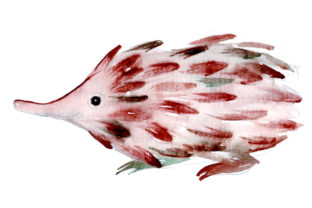
When I first opened the Echidna in Watercolor Style file set, I was preparing a new Australian wildlife collection for my Etsy shop. The plan was to launch a series of printable nursery art, greeting cards, and sublimation-ready mugs. I needed a design that felt gentle, handmade, and unmistakably Australian without being cartoonish. This echidna illustration landed somewhere between a soft botanical study and a whimsical storybook character, which immediately gave me ideas for bundling it with other native fauna assets.
The visual personality leans more toward the delicate side. The watercolor washes carry that slightly brushed, imperfect texture that craft buyers often interpret as premium. It is not a bold, graphic vector that screams from a t-shirt. Instead, it reads as a decorative, almost sentimental piece. I could see it appealing to a buyer who loves Australian bush themes, native animal nurseries, or earthy, handmade stationery. The mood is calm, warm, and quietly charming, not loud or overly cute.
First Impressions of the Watercolor Echidna File
Opening the download, I received the design in SVG, transparent PNG, EPS, and DXF formats. That variety alone makes the asset flexible across multiple selling platforms. The PNG had a clean transparent background, which is essential for layering over digital papers or placing onto colored product mockups. The SVG imported smoothly into my Cricut design space, and I ran a quick test cut. The edges were reasonably clean, though I noted that the soft watercolor edges, which look beautiful on screen, will require a slightly forgiving cut path if used for vinyl decals or iron-on projects.
From a seller's perspective, the file organization was straightforward. I always recommend renaming files clearly before packaging them for customers, but the core assets were ready to use. I previewed the PNG on a white background, a kraft paper texture, and a dark charcoal mockup. The illustration held up best on light, warm, or natural backgrounds. On very dark surfaces, the soft washes lost some contrast, which is typical for watercolor-style artwork.
How This Echidna Design Fits a Real Product Collection
For my Australian-themed shop, I tested the echidna across several product types before committing to a full listing. The goal was to find where it genuinely added perceived value, not just filler content. Here is what worked and what needed caution.
Printable Wall Art and Nursery Decor
This is where the Echidna in Watercolor Style truly shined. I placed it on a soft cream background with a delicate serif font underneath, spelling out the animal’s name in lowercase. The result looked like a page from a vintage naturalist’s journal. The watercolor washes gave it a handmade, artisanal quality that felt authentic. For Etsy sellers focused on Australia-themed nursery prints or wildlife educational posters, this design adds immediate warmth. I tested it at 8x10 inches and A4 size, and the resolution held up without pixelation.
Greeting Cards and Invitations
I mocked up a folded card with the echidna centered on the front, paired with a simple handwritten script that said “Hello, little one.” The aesthetic worked beautifully for baby shower invitations, Australian-themed birthday cards, or even a thank-you card for a wildlife-loving friend. The soft watercolor style felt gentle and personal, which is exactly what buyers look for in a handmade or boutique stationery product.
Sublimation and Print-on-Demand Merchandise
I uploaded the PNG to a print-on-demand platform and tested it on a white mug, a tote bag, and a unisex t-shirt. On the mug, the echidna looked charming and detailed. The tote bag worked well too, especially with a subtle eucalyptus leaf pattern in the background. On apparel, however, I learned to be selective. The design needs a light garment color to maintain its soft watercolor feel. On a heather gray or pastel tee, it looked lovely. On black, the details faded into muddiness. For sellers offering crafts in the Australian souvenir or wildlife niche, this is a strong candidate for mugs, tea towels, coasters, and canvas pouches.
Stickers and Planner Goods
I tested a kiss-cut sticker sheet layout and a single die-cut sticker. The transparent PNG made it easy to place the echidna onto a sticker template. For small sticker sizes, the watercolor details became less distinct. I found the sweet spot was around two inches or larger. Any smaller, and the soft brush strokes lost definition. For planner stickers, I would pair this with a simpler silhouette or a bolder companion illustration to give the customer variety.
Canva Templates and Digital Downloads
As a Canva template seller, I dropped the PNG into a pre-designed social media graphic for a fictional wildlife sanctuary. The echidna added a friendly, organic focal point. I also used it in a simple “Save the Date” template with eucalyptus borders. The watercolor texture elevated the template, making it feel less generic and more curated. For digital product creators who sell editable templates, this type of asset helps differentiate a listing from thousands of minimalist designs.
Where the Design Needs Extra Testing
I am cautious about promising flawless results for every use case. The watercolor style, while beautiful, has specific limitations that sellers should test before publishing. On Cricut projects, the SVG cut lines follow the outer contour reasonably well, but the intricate internal watercolor variations are not translated into clean cut paths. This means the design works best as a print-then-cut graphic rather than a layered vinyl piece. If you are selling for crafters who expect a crisp, weeded vinyl design, you may want to provide a simplified version alongside the watercolor original.
For small print items like tiny stickers or labels, the soft washes can look blurry. I recommend testing at actual print size before finalizing a listing. The same applies to textile products with coarse weaves, where the delicate transitions may get lost. On dark backgrounds, the lighter washes disappear, so I would only offer this design on light or mid-tone substrates unless you add a subtle white backing layer.
In text-heavy templates, the echidna can get lost if it is competing with bold typography. I found it works best as a standalone decorative element or paired with a light, airy font. A heavy display font overwhelmed the illustration and made the composition feel unbalanced.
Building a Product Collection Around This Echidna
One of the smartest moves for a digital seller is to think in bundles. I did not want to list the echidna alone. Instead, I curated a small collection of Australian watercolor animals, including a koala, a wombat, and a kookaburra from similar-style assets. The echidna became the anchor piece for a set of nursery wall art, a greeting card bundle, and a commercial design bundle for crafters. Bundling increases perceived value and gives the customer a reason to buy the set rather than a single file.
For my Etsy product listings, I created mockup previews showing the echidna on a framed print, a mug, and a tote bag all in one image. This visual storytelling helps buyers imagine the asset in their own projects. The watercolor style photographs beautifully on natural surfaces like linen, wood, and textured paper, so I leaned into those props for my thumbnail photography.
Font Pairings That Complement the Watercolor Look
I tested several font combinations with the echidna design for different product types. A delicate serif font added a classic, literary feel suitable for wall art and bookmarks. A clean sans serif font gave it a modern, minimalist edge for branding kits. A flowing script font paired beautifully for wedding or baby shower stationery. A casual handwritten font made it feel approachable for children’s products. And a refined display font worked for headers in social media graphics where the echidna served as a decorative accent rather than the main focus.
Commercial Use and File Preparation Notes
Before listing any product containing the Echidna in Watercolor Style design, I verified the commercial license. The file set includes SVG, transparent PNG, EPS, and DXF formats, which covers most creative software and cutting machines. For my customers, I plan to clearly organize the files into labeled folders and include a simple instruction sheet. This reduces confusion and support requests, which is a real time-saver for a busy shop.
I also recommend testing the print colors on both a home inkjet printer and a professional print service. Watercolor textures can shift slightly in hue depending on the printer profile. A quick test print ensures the soft greens and browns render as expected. For print-on-demand products, order a sample before listing publicly. The subtle washes can print darker or lighter than they appear on screen, and a physical sample gives you confidence in your product photography and descriptions.
Does This Asset Make Sense for Your Shop?
If your shop focuses on Australia, native wildlife, nursery decor, or soft, nature-inspired stationery, this echidna design is a strong candidate. It is not a versatile, all-purpose graphic that fits every niche. It has a specific personality, and that is its strength. For a seller preparing a seasonal collection, a digital download bundle, or a crafts marketplace debut, the design brings a hand-painted authenticity that stock vector illustrations often lack.
I see it working especially well for creative entrepreneurs who sell to gift buyers, new parents, teachers, and wildlife enthusiasts. The watercolor style signals effort and artistry, which can justify a higher price point than a flat vector graphic. When presented thoughtfully in a product listing with well-lit mockups and a clear description of commercial use, this echidna can become a quiet but profitable part of a larger product lineup.
For my own shop, the Echidna in Watercolor Style earned a permanent spot in the Australian wildlife collection. It tested well, paired beautifully with complementary assets, and filled a gap between overly cute and overly scientific animal illustrations. I will launch it inside a bundle first, then offer a few standalone listings for the most popular product types. That approach lets me gather data on what customers actually buy before expanding the range.