Quoll in Watercolor Style for Australian Crafts
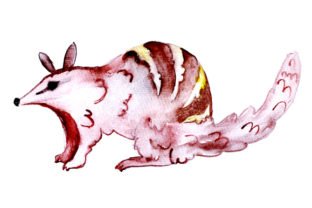
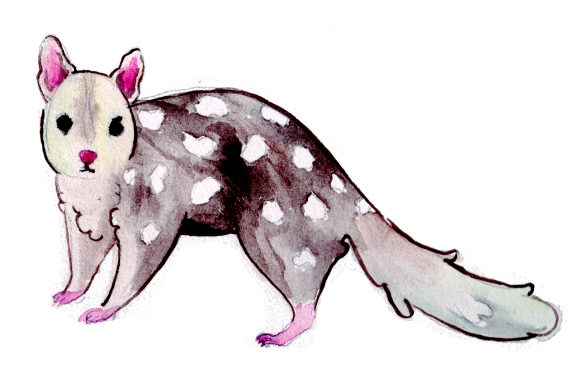
When I first opened the Quoll in Watercolor Style file, I immediately felt that soft, organic energy that only watercolor artwork can deliver. The brushstrokes are loose and expressive, with gentle washes of earthy browns, warm ochres, and subtle cream highlights that give this little Australian marsupial a hand-painted feel without losing its recognizable silhouette. For anyone building a handmade product line around native wildlife, Australian-themed collections, or nature-inspired gift ranges, this design brings a refined, slightly rustic charm that feels both premium and approachable.
I have been designing and selling handmade products for over six years, and I know how hard it can be to find graphic assets that strike the balance between artistic personality and clean cutability. This quoll design sits in that sweet spot. It is not overly cartoonish, nor is it so detailed that it becomes unusable for vinyl cutting or small-scale crafts. The watercolor texture gives it depth, while the overall shape remains bold enough to translate well across multiple mediums. If you sell on Etsy, at local markets, or through your own creative website, this is the kind of design that can anchor a cohesive collection.
First Impressions and the Mood of the Design
There is something quietly captivating about a quoll rendered in watercolor. The design feels earthy and natural, with a touch of whimsy that softens the quoll's naturally fierce little face. The spotted coat blends beautifully with the washed edges, making it look like a piece of original art rather than a stiff vector trace. I can already picture this on a set of linen tea towels, a tote bag for a wildlife lover, or a framed print in a nursery with a native animal theme.
The mood leans toward cozy, rustic, and organic. It is not loud or overly decorative, which means it pairs wonderfully with minimalist branding, kraft paper packaging, and neutral color palettes. If your handmade business targets customers who appreciate Australian wildlife, eco-conscious gift buyers, or people looking for thoughtful, artisan-made home décor, this design will resonate. It also works for children's products, but in a gentle, storybook way rather than a bright, cartoon style.
Practical Uses Across Crafting Mediums
After testing the file on a few different project types, I can confidently say this design adapts well to a wide range of handmade applications. Here is where it truly shines and where you might want to proceed with a little extra care.
Where This Quoll Design Performs Best
- Printable wall art and greeting cards: The watercolor texture looks stunning on matte paper or textured cardstock. Print it at high resolution for a gallery-style print or reduce it for a folded note card with a blank interior.
- Fabric tote bags and tea towels: When printed via sublimation or heat transfer, the soft washes of color hold up beautifully on natural fabric. The design feels like it belongs on a handmade market stall table.
- Mug designs and tumbler wraps: The horizontal composition works well for standard mug templates and slim tumblers. The warm tones look especially inviting on cream or off-white backgrounds.
- Sticker designs and planner accents: At moderate sizes, the quoll cuts cleanly and the watercolor effect adds visual interest without requiring perfect alignment. Ideal for nature-themed sticker sheets or planner kits.
- Gift tags and packaging: Print small versions on kraft cardstock, punch a hole, and tie with twine for a handmade touch that elevates your product packaging instantly.
- Scrapbooking and journaling: The illustration style fits beautifully into nature journals, travel albums, and memory books with an Australian theme.
Projects That Require Careful Handling
Not every design is universally suited to every craft, and this one is no exception. The watercolor effect, while beautiful, creates some areas with fine, wispy edges and low-contrast transitions. If you are cutting vinyl, especially small or intricate layered designs, you need to be mindful of a few things.
- Very small cutting details: The thinner brushstroke edges can become fragile when cut at tiny sizes. Avoid shrinking this below two inches for adhesive vinyl projects.
- Layered vinyl designs: The organic edges make registration tricky if you try to layer multiple colors of vinyl. Stick to a single-color cut or use it as a print-then-cut image instead.
- Low-contrast backgrounds: On dark shirts or black mugs, the softer brown washes may lose some definition. Always test a print sample before listing a finished product.
- Small sticker sizes: For die-cut stickers under 1.5 inches, the fine edge details can become difficult to weed and may not feel substantial enough for customers.
File Formats and Technical Checks
The download includes SVG, transparent PNG, EPS, and DXF formats, which covers the core needs of most crafters and small business owners. I loaded the SVG into Cricut Design Space and the PNG into Photoshop for sublimation testing. Here is what I found and what you should verify before selling finished products.
The SVG file opened cleanly with smooth cut lines and no loose nodes or broken paths. If you are using a Cricut Joy, Maker, or Explore, or a Silhouette Cameo, the cut preview looked accurate. I always recommend welding any text you add and attaching the design to your cut mat view to confirm everything sits correctly before sending it to the machine.
The transparent PNG has a high enough resolution for print-on-demand products, sublimation, and printable designs. I tested it at 300 DPI on a mug template and the watercolor texture remained crisp, with no pixelation around the edges. The transparency is clean, so there is no white halo around the quoll when placed on a colored background.
The EPS file is useful if you work in Adobe Illustrator or CorelDRAW and need to scale the design for large-format projects like wall decals or signage. The DXF file supports users who work with older cutting software or prefer that format for vinyl plotting.
Pre-Craft Checklist for Sellers
- Test the cut lines: Run a test cut on basic cardstock before committing to expensive vinyl or specialty paper.
- Check color accuracy: Watercolor hues can shift between screen and print. Print a sample and adjust your printer settings if needed.
- Preview on mockups: Place the design on real product mockups for shirts, mugs, and tote bags to see how it interacts with different surface colors.
- Resize thoughtfully: Scale up for wall art and tote bags, scale down carefully for stickers and tags, and always check the visual balance.
- Simplify if necessary: If you need a bolder cut shape, consider using the silhouette of the design without the internal watercolor texture for a cleaner vinyl result.
- Confirm commercial licensing: Before using this design on products you sell, verify that the license allows commercial use for handmade items, print-on-demand, or physical products.
Pairing Fonts and Building a Collection
One of the things I love about this quoll design is how well it pairs with different typography styles. For a rustic, market-ready look, a serif font with gentle curves complements the watercolor softness. If you want a more modern, clean aesthetic for product tags or branding, a sans serif font in all lowercase creates a lovely contrast. For greeting cards and gift items, a flowing script font or a casual handwritten font can make the final product feel personal and warm.
If you are building an Australian-themed collection, this design naturally sits alongside other native flora and fauna illustrations. Think eucalyptus leaves, wattle blossoms, koalas, kangaroos, and rosellas. Grouping similar watercolor-style assets together creates a cohesive shop aesthetic that buyers recognize and return to. I have seen this approach work brilliantly for Etsy sellers who specialize in nursery prints, baby shower gifts, and souvenir-style products with a refined twist.
Handmade Business Value and Customer Appeal
From a product development perspective, the Quoll in Watercolor Style fills a niche that is not oversaturated. Quolls are less common than koalas and kangaroos in the crafting world, which means your products can stand out in search results and at craft fairs. Customers who love Australian wildlife often appreciate the lesser-known species, and a quoll design can spark conversations and create a memorable brand experience.
This design works across multiple seasons, too. It is not tied to a specific holiday, so you can sell it year-round. It fits into spring collections, nature-themed gift guides, and even cozy autumn product lines when paired with warm, earthy color palettes. For a small handmade business, versatility means fewer design purchases and more product variety from a single asset.
Final Thoughts from a Maker's Perspective
After working with the file, testing it on different blanks, and imagining how it would fit into my own product lineup, I believe the Quoll in Watercolor Style is a worthwhile addition to any crafter's digital library. It offers a distinctive look, practical file formats, and enough flexibility to support real handmade product creation. The watercolor texture adds a handcrafted feel that aligns perfectly with the values of artisan sellers and small-batch makers.
If you create for Cricut or Silhouette projects, run a print-on-demand shop, sell at local craft fairs, or simply enjoy making personalized gifts with an Australian wildlife theme, this design gives you a solid foundation to build upon. Just remember to test your cuts, check your colors, and always confirm your license. A little preparation upfront ensures the finished products look professional and delight your customers every time.