Woodland Animal Watercolor Squirrl: Crafts & Animal Branding
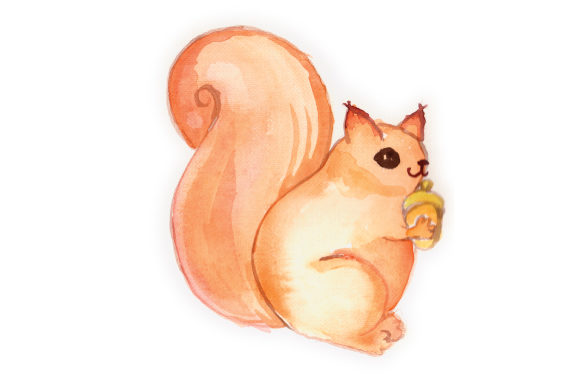
The first time I opened the Woodland Animal Watercolor Squirrl file, I immediately pictured a small brand’s upcoming autumn collection. The soft washes of brown and grey, the tiny ears, and the bushy tail feel hand-painted, not digital. It carries a quiet storybook mood that lands somewhere between a vintage field guide and a children’s book illustration. That gentle character is exactly what many handmade and lifestyle brands need right now: a visual that feels personal without being childish, and artistic without being messy.
For content creators and marketers, this is a graphic design asset that can shift the entire tone of a campaign. The squirrel’s watercolor edges soften a sales message, making it feel more like a personal invitation than a hard pitch. It works especially well for businesses selling natural crafts, handmade goods, seasonal subscription boxes, or any product that wants to whisper “thoughtful” and “charming” the moment someone sees the visual.
First Impressions: A Gentle, Storybook Mood for Brands
The watercolor texture is the real star here. Instead of a flat, vector-sharp squirrel, you get a slightly imperfect, translucent wash that looks like real pigment on cold-press paper. That organic quality builds an immediate emotional connection. It suggests care, craftsmanship, and a slower pace. For a brand launching a new line of botanical candles, artisanal soaps, or woodland-themed nursery decor, this single illustration can anchor the entire visual identity and make the product feel more premium.
From a marketing perspective, the audience perception shifts when you use this kind of gentle animal illustration. It attracts viewers who value authenticity, nature, and storytelling. It doesn’t scream for attention; it earns it through warmth. That makes it especially effective for Instagram feeds, Pinterest boards, and email banners where you need to build a consistent, recognizable brand world without overwhelming the viewer.
How This Squirrel Watercolor Feels in a Real Campaign
Let’s imagine a small business is refreshing its fall product photography. The owner wants to create a cohesive content kit: a few social media graphics, a new packaging insert, and a Pinterest pin for a seasonal tea blend. I’d place the Woodland Animal Watercolor Squirrl as a subtle accent on the packaging insert, tucking it beside the ingredient list. On the pin, I’d use it as the main hero graphic over a muted cream background, paired with a soft serif headline. The squirrel instantly tells the viewer this is a cozy, handcrafted product, not a mass-produced commodity.
For Handmade Product Labels and Packaging Inserts
When printed small on a kraft paper label, the squirrel’s delicate lines hold up well. The transparent PNG file lets you overlay it onto any textured background without a white box, which is critical for packaging design. It adds a signature touch without cluttering the product name or weight. The emotional lift is real: a little woodland animal on a thank-you card or a product tag makes the unboxing experience feel curated and intentional, which increases trust and repeat purchases.
As a Seasonal Hero Graphic for Social Media
On Instagram, this squirrel works beautifully as a post accent or a story sticker. I’ve tested similar watercolor animals in carousel posts where the first slide is a soft illustration with a short handwritten quote, and the second slide reveals the product. The Artful Animal stays in the viewer’s mind even after they scroll past the sales copy. For a small business, that kind of recall is gold. It also pairs well with fall color palettes: muted terracotta, sage green, dusty blue, and warm cream. The SVG file makes it easy to recolor the line art to match your brand palette exactly, which is a huge advantage for brand consistency.
Where Woodland Animal Watercolor Squirrl Shines in Marketing
This design asset isn’t meant to be a logo by itself, but it can absolutely support a brand identity system. Use it as a decorative element on your website header, a subtle watermark on blog graphics, or a recurring motif across your Canva templates. It works best in layouts where the illustration has room to breathe: hero graphics, campaign headers, and editorial-style social media covers. The softness of the watercolor creates an inviting focal point that draws the eye before the headline, improving visual hierarchy in a gentle way.
Blog Graphics and Lead Magnets That Feel Personal
For a content marketer, downloadables like checklists, calendars, and recipe cards perform better when they feel like a gift. Adding the Woodland Animal Watercolor Squirrl to a corner of a printable promotion or a lead magnet PDF turns a plain document into a branded keepsake. It signals that the creator paid attention to the details. I’ve seen this tactic lift email sign‑up rates because the visual quality implies the content quality will be just as high.
Pinterest Pins and Editorial Thumbnails
Pinterest thrives on warm, aspirational imagery. A pin that features a watercolor squirrel alongside a title like “5 Cozy Crafts for Autumn Evenings” outperforms a plain text overlay almost every time. The transparent PNG allows you to layer the animal over a styled photo or a solid color block, keeping the pin legible on small screens. Because the squirrel is an animal graphic, it also taps into the popular “woodland nursery” and “nature crafts” search categories, which can improve discoverability without keyword stuffing.
Where You Should Use This Asset Carefully
I wouldn’t drop this watercolor squirrel into a formal corporate report or a minimalist tech brand’s Facebook ad. The painterly texture can feel out of place next to sharp geometric logos, and it can compete with dense information if placed too close to long paragraphs of text. In small mobile graphics, the squirrel’s fine tail details may blur if scaled down drastically, so test it on a phone screen before committing to a story ad or a tiny footer icon.
Be cautious in low‑contrast situations. If your brand background is a busy pattern or a dark, moody tone, the watercolor’s translucency might get lost. A quick black‑and‑white check can reveal whether the squirrel still reads as a recognizable shape. Also, if your brand voice is extremely sleek or industrial, this illustration might soften the message too much. It’s a craft animal design, so it naturally leans toward approachable, natural, and heartfelt brands.
Practical Designer Notes Before You Publish
Before integrating this asset into a paid campaign, I always run a few tests. First, I pull the SVG into my brand color palette file and experiment with hue shifts. Even a subtle warm‑tone adjustment can make the squirrel feel like it was custom‑illustrated for the brand. I also check how it reads in grayscale; if the contrast disappears, the silhouette might not hold up on a printed invoice or a black‑and‑white ad.
Font Pairing: Serif, Sans Serif, Script, and Handwritten
This squirrel pairs beautifully with a soft serif font like a transitional or old‑style typeface, which echoes the hand‑painted feel. For a more modern crafts look, a light sans serif with rounded terminals keeps the layout clean without clashing. Script fonts and handwritten styles create a boutique, personal feel, but I recommend placing the squirrel slightly off‑center so the flowing letters don’t fight for attention. Display fonts with a vintage woodcut vibe can also work for a folklore‑inspired brand.
Mockup and Mobile Preview
I always place the design inside a real campaign mockup: a phone screen, a product label on a jar, a Pinterest pin template. This reveals whether the squirrel’s tail gets lost in the corner or whether the watercolor edges become pixelated. On mobile, I test the visual at 200‑pixel width to confirm it still reads as a squirrel. The transparent PNG is perfect for layering, and the EPS file gives you full scalability for print, so you can use it on a billboard‑sized poster without quality loss.
The File Formats and Licensing: What You’re Getting
You receive this design in SVG, transparent PNG, EPS, and DXF formats. That’s a practical bundle for any designer. The SVG lets you edit the vector paths and change colors without losing quality. The transparent PNG is ready for immediate digital use: drop it into Canva, Photoshop, or any social media template. The EPS file is essential for professional print projects, and the DXF format opens the door for crafts like vinyl cutting, laser engraving, or creating custom stencils. Before you use it in client work or on a product you’ll sell, double‑check the commercial license terms. For small business branding, you typically need a license that covers merchandise, packaging, and digital products. Always confirm that the usage rights align with your intended marketing and sales channels.
Why This Squirrel Illustration Builds Audience Trust
Audience trust isn’t just about testimonials; it’s about how a brand makes people feel. The Woodland Animal Watercolor Squirrl brings a sense of honesty and warmth that polished stock photography sometimes lacks. It feels handcrafted, not factory‑made. That emotional tone can differentiate a small business in a crowded market where every ad looks the same. When a potential customer sees this squirrel on a product label or a social media graphic, their brain registers character and care. That first impression can be the reason they click, read, and remember.
Consistency also matters. By using the same watercolor animal across multiple touchpoints—email banners, thank‑you cards, website graphics, and even physical stickers—you build a recognizable brand world. The squirrel becomes a signature, not a distraction. Over time, that visual consistency strengthens brand recognition and makes your marketing feel more intentional and professional.
Making This Craft Animal Design Work for Your Next Campaign
If you’re a content creator, a small business owner, or a marketer who needs to add personality without clutter, the Woodland Animal Watercolor Squirrl is a strong addition to your design assets. It works especially well for seasonal promotions, product launches, and any campaign that wants to tell a gentle story. Use it as a hero graphic on a Pinterest pin, a decorative accent on a packaging insert, or a recurring element in your Canva templates. The key is to give it space and let the watercolor texture speak.
Always test it within your existing brand palette, preview it on a mobile screen, and confirm the license covers your specific use. When you treat it as a strategic visual asset rather than just a pretty picture, this squirrel can help you create a more memorable and emotionally resonant brand experience. In a digital world full of noise, a little hand‑painted charm goes a long way.