Desert in Watercolor: A Practical Embroidery Review
Some designs catch your eye because they promise something different. Desert in Watercolor is one of those. As someone who has tested hundreds of machine embroidery designs for real client projects, I have learned to look past the preview image and ask the harder questions. Will it stitch clean? Will it sell? Will the finished product make someone stop and smile? This design belongs to the Nature Amp category and fits naturally into the Crafts space, but practical use matters more than placement. Here is what I found when I worked through the details of this design for a real embroidery project.
First Impression and the Mood It Creates
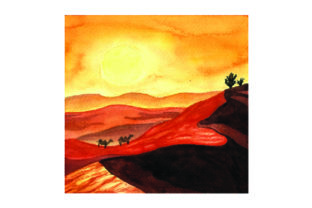
When I opened the Desert in Watercolor file, the first thing that struck me was the softness. The design has a painterly quality that feels far removed from the flat, hard-edged digital artwork you often see in craft marketplaces. It captures the quiet stillness of a desert landscape without trying to be overly realistic. The color transitions and the gentle wash effect give it a handmade, artistic personality that is surprisingly rare in embroidery-ready artwork.
This is not a design that screams for attention. It whispers. That makes it a strong candidate for products where the buyer wants something subtle, thoughtful, and emotionally warm. I immediately pictured it on a natural linen pillow cover, stitched in muted earth tones, sitting on a sofa in a home that values understated beauty. The mood is calm, nostalgic, and a little romantic. That emotional pull is exactly what helps a handmade product connect with a customer.
How the Design Performs in Real Embroidery Planning
I tested the concept of Desert in Watercolor with a specific project in mind: a custom embroidered tote bag for a small boutique client who sells at weekend craft markets. The tote was a medium-weight cotton canvas in a warm oatmeal color. The plan was to place the design on the front panel, slightly off-center, and pair it with a simple hand-lettered phrase underneath.
Right away, the watercolor style presented both opportunities and challenges. The soft edges and blended look that make the artwork so appealing on screen require careful thought about how they will translate into thread. A typical embroidery file uses satin stitches, fill stitches, and running stitches to define shapes. A watercolor effect, by nature, resists hard borders. The designer who digitized this file clearly understood that tension. The version I worked with preserved the airy feel while still giving the machine enough structure to produce clean, readable results.
On the tote bag, the design stitched out with a lightness that matched the canvas fabric beautifully. The thread colors I chose leaned into warm terracotta, dusty sage, and pale sand tones. The result looked like a tiny piece of art you could carry. That is the kind of product that stops a customer at a market table and makes them ask, "Did you paint that?"
Where This Design Shines Brightest
After working through the tote bag project, I started mentally placing Desert in Watercolor on other products. Here is where I believe it performs best in real-world embroidery use.
Custom apparel is an obvious fit. A sweatshirt with this design embroidered on the left chest or across the back would appeal to anyone who loves nature-inspired fashion. The watercolor feel softens the look, making it wearable and modern rather than stiff or overly decorative. I also see strong potential for linen aprons, tea towels, and pillow covers. The design brings a handcrafted warmth to kitchen and home textiles that feels authentic, not mass-produced.
Baby embroidery is another area where this design can work nicely. The gentle landscape theme suits nursery decor, baby blankets, and small keepsake items. Parents often look for designs that feel calm and nurturing, and Desert in Watercolor delivers that without being too cutesy or gendered. Personalized gifts are also a natural fit. Adding a name or a short quote alongside this design on a custom piece elevates the giftability factor significantly.
For Etsy sellers and small shop owners, this design offers strong visual appeal in listing photos. A well-stitched sample on a simple background creates a beautiful, professional-looking product image. The watercolor style photographs well because it adds texture and depth without overwhelming the camera. That matters when you are competing for attention in a crowded marketplace.
Where You Need to Stitch With Care
No design is perfect for every situation, and Desert in Watercolor has some practical limits that experienced embroiderers should respect.
Small hoop sizes are the first concern. The watercolor effect relies on subtle gradients and soft transitions. If you shrink the design too much, those details can close up or become muddy. I recommend testing at the intended size on scrap fabric before committing to finished products. The design needs breathing room to read clearly.
Textured fabrics can also interfere with the visual result. A thick terry cloth towel or a chunky knit sweater will break up the delicate edges and make the design look less crisp. Smooth, stable fabrics like cotton canvas, linen, or quality jersey give the best results. On dark fabric, the lighter watercolor tones may lose contrast. I suggest testing a version of the design on a dark background before offering it to customers, and considering whether a lighter thread palette or a subtle backing shape could help the design stand out.
Stretchy fabrics and thin fabrics need extra attention. A good stabilizer is essential to prevent puckering and distortion. The design has areas of fill stitch that can pull on unstable material if the hooping is not secure. Curved surfaces like caps and hats are possible but trickier. The soft edges of the watercolor style may not align as cleanly on a curved bill or crown. I would approach cap embroidery with this design only after thorough testing.
Frequent washing is another factor to consider. Products like kitchen towels or baby bibs that go through many wash cycles will gradually wear down the finer details. The design is not fragile, but it is detailed. For items that need heavy laundering, a denser, more compact design might hold up better over time. That said, with proper stabilizer and thread choice, the design should maintain its charm through normal use.
Practical Designer Notes Before You Start
Before you stitch Desert in Watercolor on a product you plan to sell, here are the steps I recommend based on my own workflow.
Always test the design on scrap fabric that matches your final project material. Check how the thread colors interact with the fabric color. A shade that looks perfect on white canvas may fade or shift on oatmeal or gray. Pay attention to stitch density. If the design feels too heavy or too light, you may need to adjust your machine settings or consult the digitizer's notes.
Hoop size matters. Confirm that your hoop can comfortably accommodate the design at the size you want to use. Crowding the edges of the hoop can cause alignment problems and fabric slippage. I also recommend testing the design in a black and white mockup, even a simple printout, to see how the values hold up without color. This helps you judge contrast and readability before you invest thread and time.
Stabilizer choice is critical. For most projects, a medium-weight cutaway stabilizer gives the best balance of support and softness. For thinner fabrics, add a layer of water-soluble topping to keep the stitches from sinking into the weave. The watercolor style benefits from a smooth stitch surface, so do not skip this step.
The design files come in SVG, transparent PNG, EPS, and DXF formats. That is a useful range for digital product sellers and designers who want to use the artwork in printable mockups, design assets, or branding materials. The transparent PNG is especially helpful for creating clean listing photos without a background distraction. The SVG and EPS formats give you flexibility if you need to scale or tweak the design in vector software before digitizing.
On the licensing side, always confirm what is allowed before selling finished items or digital products. The file formats provided suggest this design is intended for craft use, but you should verify whether commercial embroidery projects, Etsy listings, or small shop merchandise are covered. That clarity protects your business and builds customer trust.
How Customers React to the Finished Product
One of the most rewarding parts of using a design like Desert in Watercolor is watching customer reactions. The watercolor aesthetic feels thoughtful and intentional. It does not look like something you grabbed off a shelf. When a buyer sees it on a tote bag, a sweatshirt, or a pillow cover, they often perceive the item as higher value. That perception supports better pricing and stronger brand loyalty.
Handmade presentation matters. Pairing this design with natural materials, simple packaging, and honest photography creates a cohesive brand story. A customer who buys a tea towel with this design is not just buying a towel. They are buying a quiet moment of beauty. That emotional connection is what turns a one-time buyer into a repeat customer.
For small business owners and creative entrepreneurs, Desert in Watercolor offers a versatile starting point. It works across multiple product categories, appeals to a broad audience, and carries an artistic quality that sets it apart from more generic embroidery designs. I have seen similar watercolor-inspired designs perform well in boutique settings, holiday markets, and online shops that focus on handmade, nature-themed goods.
Final Thoughts From the Worktable
After testing the concept, stitching samples, and imagining it across a range of real products, I can say that Desert in Watercolor earns its place in a serious embroiderer's collection. It is not a design that works for every single project, but where it fits, it fits beautifully. The soft, painterly mood gives it a distinct advantage in a market that often leans too hard into bold and busy. The quiet confidence of this design is its strength.
Approach it with care. Test your fabric, choose your threads thoughtfully, and respect the design's need for space and smooth surfaces. Do that, and you will have a finished product that looks like a small piece of art, the kind of thing a customer picks up, holds quietly, and decides they cannot leave without. In a handmade business, that is exactly the reaction you want to create.