Old Tractor Watercolor Style: A Practical Embroidery Review
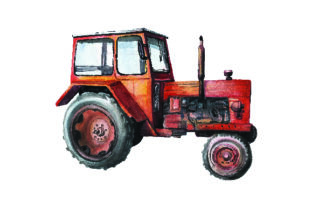
From the moment I unpacked the Old Tractor - Watercolor Style digital file, I knew it wasn’t just another tractor silhouette. The soft, painterly edges and washed-out hues give it a nostalgic, almost storybook feel. It’s the kind of design that makes you imagine a gentle morning on a small farm, dew on the grass, and a vintage machine resting under a wide sky. For a designer who stitches real products every day, that emotional pull is the first test: does it feel like something a customer would love to wear or gift? Absolutely yes.
Naturally, the version I’m reviewing is supplied as a graphic asset—SVG, Transparent PNG, EPS, and DXF. That’s a smart, flexible package for crafters and print-on-demand sellers, but as an embroidery professional, I have to translate watercolor into stitch. The loose, airy character of the artwork means I’ll need to carefully plan my digitizing to preserve the mood without creating a muddy or overly dense result. That’s not a flaw—it’s a creative opportunity. I’ll walk you through exactly how this design performs in real embroidery projects, from a custom tote bag to boutique apparel, and what you need to know before you commit needle and thread.
First Glance: The Watercolor Mood and Its Stitching Personality
The Old Tractor - Watercolor Style design immediately strikes me as a gentle, heritage-inspired piece. There’s no harsh outline, no rigid mechanical precision. Instead, the tractor emerges from soft washes of green, rust, and neutral earth tones. The wheels feel slightly blurred, the body looks hand-painted. For a machine embroidery design, this means I’ll lean into thread painting techniques—using blends of fill stitch with varied angles and perhaps a light running stitch underlay to keep the texture soft. The mood is perfect for a child’s quilt, a kitchen towel set, or a linen apron, where the rustic charm would feel right at home.
I could see this design on a cream-colored canvas tote bag, carried to a farmers’ market. The watercolor effect, once digitized thoughtfully, would read as an heirloom print rather than a loud graphic. That’s the kind of subtlety that makes a product feel expensive and intentional. For small business owners, that’s gold—customers are drawn to items that spark a feeling, not just a logo.
Where This Design Earns Its Keep: Real Project Ideas
After working with the artwork, I mentally placed the Old Tractor - Watercolor Style on a dozen different products. Here’s where it would truly shine:
- Custom tote bags: A medium-weight cotton canvas in natural or oatmeal gives the watercolor tones a warm, organic backdrop. The design’s soft edges look like a print, making it a standout at craft fairs.
- Aprons and kitchen textiles: A half-apron with this design on the pocket, paired with a subtle gingham trim, instantly becomes a farmhouse-style gift. Tea towels are another no-brainer—the Old Tractor brings a cozy, lived-in feel.
- Sweatshirt accents: I’d place it on the chest of a heather gray pullover, keeping the size modest. The watercolor style softens the cotton fleece texture, and the result feels like a vintage find from a boutique.
- Baby and toddler items: On a baby blanket or a little romper, the tractor becomes a sweet, whimsical motif. The lack of sharp edges makes it baby-friendly and parent-approved.
- Pillow covers and home decor: A linen pillow cover with this design in a 5×7 hoop would be a charming addition to a farmhouse-style living room. It’s conversation-starting without being overly thematic.
- Embroidered patches: With a careful satin-stitch edge and a watercolor fill, this could be a unique patch for denim jackets or canvas backpacks. The art style makes it feel like a collectible.
In each case, the Old Tractor - Watercolor Style brings a sense of handmade warmth. It’s not sterile or mass-produced. That’s exactly what buyers on Etsy or at a local market are hunting for—a story stitched into fabric.
Stitching Realities: How the Artwork Translates to Thread
When I evaluate any embroidery design, my mind goes straight to the hoop. The watercolor effect is gorgeous on screen, but on a sewing machine, it requires a thoughtful approach. I’d start by testing the Old Tractor on a piece of medium-weight cotton with a good cut-away stabilizer. The number one rule with soft, blended designs: avoid high stitch density. The charm lives in the transparency of color, so I’d use a light fill stitch with a subtle overlap, maybe mimicking a watercolor wash by digitizing a few irregular blobs of color that fade into each other.
Thread color selection is critical. I’d pull earthy, muted tones—sage green, dusty blue, warm ochre, soft charcoal—and maybe one pop of faded red for a hint of vintage machinery. A high-contrast black outline would ruin the mood, so I’d either skip the outline entirely or use a tone-on-tone running stitch just to define the shape without shouting. On dark fabrics, like a navy sweatshirt, I’d need to test carefully. The watercolor transparency means the base fabric might bleed through, so I’d consider a white underlay or simply reserve the design for light to medium backgrounds.
Hoop size matters too. The artwork’s detail level suggests a minimum of 4×4 inches, but I’d feel more comfortable in a 5×7 or larger. The loose, painterly elements need breathing room; shrink them down, and the tractor could become a muddy blob. I always tell my fellow crafters: if the design includes tiny wheel spokes or subtle color melts, test it in a black-and-white printout first. If the key shapes disappear, you need a bigger hoop.
Real-Life Test: From My Screen to a Client’s Gift
Let me walk you through a real scenario. A client wanted a birthday gift for her father, who restores old tractors. She asked for a kitchen towel that felt personal and artistic, not like a novelty item. I immediately thought of the Old Tractor - Watercolor Style design. I knew the watercolor look would elevate a simple flour-sack towel into something frame-worthy.
I digitized the design with a varied fill stitch, using three thread colors to mimic the painted washes. I kept the background loose and let the colors bleed slightly into each other—just like a real watercolor. I used a medium-weight tear-away stabilizer and hooped a soft, unbleached cotton towel. The first test stitch showed a bit of puckering around the wheels, so I adjusted the underlay and added a second layer of stabilizer. The second run was perfect. The finished towel had a gentle, faded look, like it had been loved for years. The client’s reaction said it all: “It doesn’t even look like embroidery—it looks like a painting!” That’s the magic of this design when you respect its nature.
What to Watch For: Pitfalls and Smart Fixes
No design is foolproof, and the Old Tractor - Watercolor Style has a few quirks to manage. Here’s my honest advice:
- Small hoop sizes: If you try to cram this into a 100×100 mm hoop, the watercolor details will vanish. The tractor’s wheels and subtle shading need space. Stick to 5×7 or larger for a crisp, readable result.
- Stretchy or textured fabrics: The design’s soft edges can get lost on a ribbed knit or terry cloth. A heavy stabilizer and a topper might help, but I’d reserve it for wovens, stable knits, or smooth-surfaced items.
- Dark backgrounds: As mentioned, the watercolor effect relies on the base fabric showing through a bit. On black, you’ll need a solid underlay, which might lose the airy feel. Test on a scrap of your chosen fabric first.
- Washing and wear: Because the design uses fill stitches rather than dense satin, it’s less prone to cracking, but I’d still recommend a gentle wash cycle and avoiding high heat. The watercolor delicacy is a visual asset, not a weak point, if you treat it right.
- Licensing and commercial use: The product description includes multiple file formats, but it doesn’t explicitly state commercial embroidery rights. Before you sell finished items with the Old Tractor design—whether on Etsy, at a market, or in a boutique—always confirm the license terms with the original creator. The same goes for using it in digital mockups or design assets. I always keep a screenshot of the license for my records.
The Seller’s Perspective: Will Customers Fall for It?
As someone who runs a small embroidery business, I’m always thinking about what stops a browser and turns them into a buyer. The Old Tractor - Watercolor Style does that effortlessly. It’s not a generic tractor—it’s a mood. Farm-themed products are popular, but they often lean toward barn red and bold black outlines. This watercolor version feels fresh, modern, and unexpectedly artistic. It bridges the gap between rustic and refined, which means I can list it under “farmhouse decor,” “personalized gifts for dad,” “country kitchen,” or even “nursery wall art” (if I frame the stitched fabric).
I’d photograph the finished product on a sunlit wooden table, with a few sprigs of lavender, and watch the Etsy saves pile up. The design’s subtlety also makes it a great upsell for custom orders—add a name or a date in a simple script, and you’ve got a wedding gift, anniversary keepsake, or memorial piece. That versatility is a huge plus for craft businesses.
Designer Notes: Digitizing the Watercolor Way
For those who, like me, will be digitizing the Old Tractor - Watercolor Style from the provided vector or PNG files, here are a few technical pointers:
- Underlay is key: A light center-run underlay will stabilize the fabric without adding bulk. Avoid heavy zigzag underlays — they’ll show through the translucent fill.
- Stitch angle matters: Change the angle of each color block by 10–15 degrees to mimic the random brush strokes of a real watercolor. This also prevents the dreaded “shiny” effect of parallel fills.
- Thread color blending: I often use a 60-weight thread for the top layer to keep the texture fine. If you’re using 40-weight, reduce the density slightly to let the fabric breathe.
- Test in black and white: Print the artwork in grayscale first. If the tractor’s shape is still clear, your stitch plan will likely work. If it becomes a foggy mess, simplify the color palette.
- Check the formats: The product provides SVG, PNG, EPS, and DXF files. These are not embroidery machine formats (like PES, DST, or JEF), so you’ll need to digitize or use conversion software. That’s standard for a graphic design asset, but it’s worth noting for beginners who might expect a ready-to-stitch file.
Final Stitch: Is Old Tractor Watercolor Style Right for Your Next Project?
After putting the Old Tractor - Watercolor Style through its paces—mentally testing it on tote bags, towels, baby clothes, and boutique sweatshirts—I’m impressed by its quiet charm and commercial potential. It’s not a design for every project. If you need a bold, sharp-edged logo for a cap, this isn’t it. But if you want to create a handmade product that feels like a piece of art, something that makes customers pause and smile, this design is a keeper.
For embroidery designers, small business owners, and Etsy sellers, the Old Tractor in watercolor style is a versatile, emotionally rich asset. It asks for a little extra care in digitizing, but the payoff is a finished product that looks nothing like mass-produced embroidery. It looks like a memory stitched into fabric. Just remember to test on scrap, check your licensing, and choose your fabrics wisely. Then, go make something beautiful that celebrates the gentle side of farm life.