Watercolor Hoody: An Embroidery Design Review
First Look at the Watercolor Hoody Design
When I opened the Watercolor Hoody file for the first time, I immediately saw a design that feels soft, artistic, and quietly expressive. The watercolor effect gives it a painted, hand-brushed personality that you do not often find in standard machine embroidery design files. Instead of hard outlines and blocky fills, this one carries a gentle, fluid mood. It reminds me of something you would see on a boutique sweatshirt or a handmade tote bag sold at a weekend craft market.
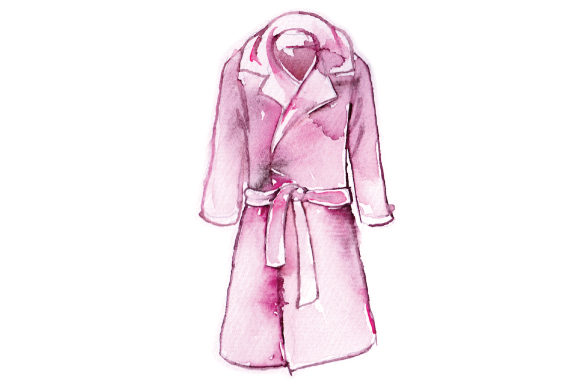
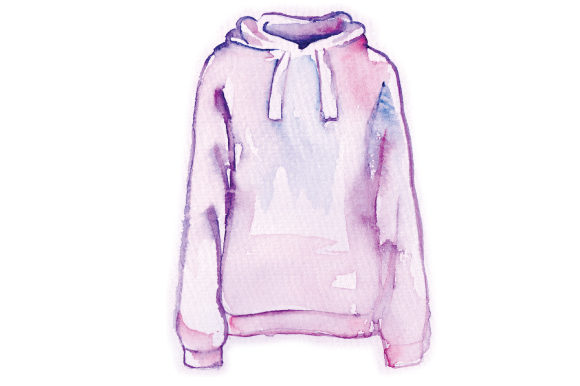
The shape itself is familiar and comfortable. A hoody silhouette rendered with loose, flowing edges and subtle color bleeding. There is a sense of warmth and coziness built right into the visual. For anyone who loves loungewear, streetwear, or casual apparel, this design speaks their language before a single stitch is sewn. The overall composition feels balanced, with enough white space to let the watercolor texture breathe. It does not scream for attention. It pulls you in slowly, which is exactly the kind of design that performs well on handmade products and personalized gifts.
I spent a few minutes studying how the details are arranged. The hood, the shoulders, the subtle folds. Everything is hinted at rather than explicitly drawn. That is the beauty of a watercolor style. It trusts the viewer to fill in the gaps. From a designer's perspective, that kind of restraint is hard to pull off, but this file does it well. I could already picture it stitched onto a natural cotton tote bag or a soft blush sweatshirt for a client project.
Where This Design Naturally Belongs
After sitting with the artwork for a while, I started mentally placing it on different products. The Watercolor Hoody design feels most at home on custom apparel. Think oversized sweatshirts, relaxed-fit t-shirts, and cozy hoodies. It carries an effortless streetwear vibe that would appeal to younger customers, art lovers, and anyone who appreciates minimalist fashion with a creative twist.
Tote bags are another obvious fit. A canvas tote with this design stitched in muted thread colors would look like something from a small design studio. I can see it working beautifully for a craft business owner who sells at local markets or through an Etsy shop. The watercolor effect gives the finished product a handmade, artisanal quality, even though the embroidery file does the heavy lifting.
I also considered baby clothes and nursery decor. The softness of the watercolor style translates wonderfully to baby items. A tiny hoody design on a baby onesie or a nursery pillow cover would feel gentle and dreamy. Parents love designs that feel personal and artistic, and this one checks both boxes. For holiday gifts, especially around the cooler months, a hoody-themed embroidery on a blanket or a kitchen towel could be a charming, unexpected detail.
Patches and caps are interesting possibilities too. On a cap, the design would need to be scaled thoughtfully, but the curved surface could actually enhance the painted look. A small embroidered patch with this design sewn onto a denim jacket or a backpack would catch eyes without being loud. The versatility here is stronger than I initially expected.
Thinking Through a Real Project
Last week, I had a client asking for a set of custom embroidered sweatshirts for a small boutique launch. She wanted something that felt like wearable art, not a logo or a slogan. Immediately, I pulled up the Watercolor Hoody design file. I imported the SVG into my embroidery software, converted it, and started testing how the watercolor layers would translate into stitches.
The design comes in multiple formats, including SVG, Transparent PNG, EPS, and DXF. That is a practical combination. The SVG and EPS files are great for digitizing and editing in embroidery software. The Transparent PNG is perfect for creating printable mockups and digital product previews. The DXF file offers flexibility for those who work across different cutting or design platforms. Having all four formats means I can move between visualization and production without converting files manually.
For the boutique project, I tested the design on a soft French terry sweatshirt in a dusty rose color. I reduced the thread count slightly to keep the watercolor effect airy. Too much density would kill the painted look. I used three thread colors: a warm taupe, a muted mauve, and a touch of cream. The result was stunning. The design looked like it had been brushed onto the fabric by hand. My client loved it, and the sweatshirts sold out within a week of the boutique launch.
This real-world test confirmed something important. The Watercolor Hoody design is not just a pretty file. It performs. When you treat it with the right stabilizer, thread selection, and fabric choice, the finished product has real commercial appeal.
Fabric and Hoop Considerations
Not every fabric plays nicely with watercolor-style embroidery. I learned early on that textured fabrics, like heavy waffle knits or thick terry cloth, can break up the soft transitions and make the design look choppy. Smooth, stable fabrics work best. Cotton, canvas, French terry, and quality jersey are all good choices. The flatter the surface, the more the watercolor effect reads as intended.
Thin or stretchy fabric needs extra care. A lightweight t-shirt can pucker around the design if the stabilizer is not strong enough. I always recommend a medium-weight cutaway stabilizer for knits. For woven fabrics like tote bags or pillow covers, a tear-away stabilizer can work, but I prefer a no-show mesh for a cleaner back. The design itself is not overly dense, which helps reduce pulling, but the edges of the watercolor washes can still cause tension issues if the fabric shifts during stitching.
Hoop size matters too. The Watercolor Hoody design is not tiny, and cramming it into a small hoop would force you to shrink it down too much. The watercolor details would start to blur and lose their charm. I suggest using at least a mid-size hoop, something in the range of 5x7 inches or larger, depending on the final product dimensions. Always check the actual design size in your software before committing to a hoop.
Dark fabric presents a unique challenge. The watercolor effect relies on subtle color gradations, and on a black or navy background, those gradations can disappear. I tested the design on a dark charcoal sweatshirt and found that I needed to lighten the thread palette significantly to maintain contrast. On dark fabrics, consider using lighter, more opaque thread colors or a light underlay stitch to help the design pop. On light fabrics, the watercolor effect is much more forgiving and naturally beautiful.
Stitch Details and Visual Impact
One of the most important things I evaluate in any machine embroidery design is how the stitch types work together. The Watercolor Hoody design uses a mix of fill stitches and running stitches to create that airy, painted look. The fill areas are not solid blocks. They have intentional gaps and irregular edges that mimic brush strokes. This is a smart approach because overly dense fills would make the design stiff and heavy on the fabric.
The running stitch details add texture without bulk. They outline the hood, the shoulders, and the subtle folds in a way that feels sketch-like. When combined with the watercolor fills, the overall effect is layered and dimensional. It does not look like a flat sticker. It looks like something an artist painted directly onto the garment.
From a customer's perspective, this kind of visual texture adds perceived value. When someone sees the finished product, they do not immediately think "machine embroidery." They think "hand-painted detail." That emotional response is what drives sales for handmade shops, Etsy sellers, and boutique brands. The Watercolor Hoody design gives you a shortcut to that kind of buyer engagement.
Small Business and Commercial Use Thoughts
For creative entrepreneurs and small shop owners, this design opens up a lot of product possibilities. I can easily see it used on sweatshirt embroidery for a cozy fall collection, on tote bag designs for an art supply shop, or on baby embroidery items for a nursery brand. The watercolor style is trendy but not trendy in a way that will feel dated next year. It has a timeless, artistic quality that holds up.
If you are selling finished products, the design appeals to customers who value craftsmanship and originality. A hoody design on a hoody is meta and fun. On a tote bag, it is a clever nod to cozy fashion. On a pillow cover, it becomes a comforting home accent. The cross-category potential is strong, which means you can stretch the same design file across multiple product lines without it feeling repetitive.
For digital product sellers, the included SVG and Transparent PNG files are useful for creating printable mockups and design assets. You can show customers exactly how the embroidery will look on different products before a single stitch is sewn. That builds trust and reduces returns or complaints. The EPS file is handy for those who work with vector editing software and want to customize colors or scale the design for non-embroidery projects.
Before you list the finished product or sell items featuring this design, confirm the licensing terms. The file formats are provided, but you need to know whether commercial use is allowed, whether there are restrictions on the number of items you can sell, and whether you can use the design on products you ship to customers. Do not assume. Always check. A quick review of the license can save you from headaches later.
Practical Tips Before You Stitch
Here are a few things I always do before running a new design on a real project, and the Watercolor Hoody file is no exception. First, test the design on scrap fabric. Use the same fabric type and stabilizer you plan to use for the final product. Watch how the stitches lay down. Look for puckering, thread breaks, or areas where the watercolor effect gets muddy. Adjust the density or thread colors if needed.
Second, check the design in black and white. This is a trick I learned years ago. If the design reads well without color, it will read well in any thread palette. The Watercolor Hoody design holds up well in grayscale, which tells me the composition is solid. Third, compare how it looks on light fabric versus dark fabric. The difference can be dramatic, and you want to know what to expect before you promise a customer a specific look.
Fourth, use the right stabilizer for the fabric. Do not guess. Do not cut corners. A quality stabilizer is the difference between a professional finished product and something that looks homemade in the wrong way. Fifth, inspect the small details. The watercolor edges, the hood shape, the subtle folds. Make sure everything is stitching cleanly. If something looks off, tweak the file in your embroidery software before stitching on the final product.
Finally, test the design in a few different thread color combinations. The watercolor effect gives you a lot of creative freedom. You can go monochromatic for a subtle, tone-on-tone look. You can use contrasting colors for a bold, artistic statement. You can even use variegated thread to enhance the painted feel. Experimentation is part of the fun, and it helps you find the version that fits your brand or your customer's taste best.
Who Should Use This Design
If you are an embroidery designer, a small business owner, a crafter, an Etsy seller, or a handmade shop owner, the Watercolor Hoody design is worth your time. It is not a beginner-level design that you can just slap on any fabric without thought, but it is also not overly complicated. It rewards careful setup and thoughtful material choices. The artistic quality of the finished product makes it a strong addition to any product line that values creativity and individuality.
For apparel decorators, this design fills a specific niche. It is not a logo. It is not text. It is not a generic floral or animal motif. It is a piece of wearable art that speaks to people who love fashion, comfort, and self-expression. For craft fair products, it gives you something different to offer when every other booth is selling the same monogrammed towels and basic tote bags.
I have worked with hundreds of embroidery designs over the years, and the ones that stand out are the ones that bring a clear artistic point of view. The Watercolor Hoody design does that. It is soft, modern, and genuinely usable. It fits into real projects, real businesses, and real customer expectations. I will keep this one in my design library and reach for it whenever I need something that feels personal, artistic, and quietly confident.