Iguana - Watercolor: A Designer's Honest Review
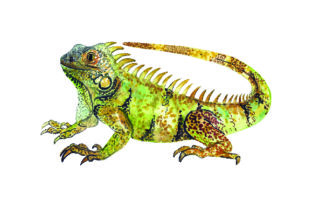
Right out of the folder, Iguana - Watercolor strikes a mood that feels more like a fine art print than a typical machine embroidery design. The watercolor texture gives it a soft, organic personality that you don't often see in animal-themed digital files. Instead of hard outlines and blocky fill shapes, the layout leans into the painterly feel—soft washes of color, gentle transitions, and a sense of movement that makes the iguana feel alive. As a designer who regularly tests embroidery files for real-world products, my first thought was: this would look stunning on a natural linen tote bag, something unbleached and earthy, where the fabric itself becomes part of the color story.
The Visual Personality of this Watercolor Iguana
The charm of Iguana - Watercolor comes from how it resists being too literal. The shape is recognizable as an iguana, but the watercolor technique softens the reptilian details in a way that makes it feel gentle, almost whimsical. That matters greatly when you're planning products for customers who might be turned off by a hyper-realistic lizard. This design sits comfortably in the world of boutique crafts, nursery decor, and handmade gifts. It carries a calm, artistic energy that suits a wide range of buyers, from nature lovers to parents looking for something unique for a child's room. The visual personality is warm, approachable, and quietly sophisticated—exactly the kind of asset that elevates a handmade product above mass-produced alternatives.
The watercolor effect also means the design reads differently depending on the viewer's distance. Up close, you appreciate the subtle color shifts. From a few feet away, the silhouette remains strong and identifiable. That dual readability is a huge plus for embroidery projects because it means the piece works on both small accessories and larger home decor items without losing its identity.
Real Project Test: Imagining the Iguana on a Tote Bag
Midway through examining the file, I started mentally placing it on a custom canvas totebag I've been prototyping for a client's boutique line. The tote is a warm cream color, medium weight, with a smooth but slightly textured surface. I pulled up the transparent PNG to mock up a quick placement, and the watercolor iguana instantly felt right. The soft greens, muted yellows, and pale blues woven into the design blended beautifully with the cream background. It didn't scream for attention; it simply belonged there, like a piece of custom artwork painted by hand.
When I thought about stitching this out, I immediately considered thread choices. The watercolor style means you'll likely need several shades that blend well, and you'll want to avoid harsh, solid color blocks. Thread selection becomes part of the artistic process. If you're making this for a customer, that's a selling point—you aren't just stitching a design, you're interpreting a painterly piece in thread, which adds immense perceived value. For a tote bag, the hoop size would need to accommodate the full design, and I'd recommend testing the stitch density on a similar fabric scrap first. The watercolor effect relies on smooth transitions, and too dense a fill could muddy the look.
Where This Design Truly Belongs
After spending time with the file, several product categories immediately stood out as natural homes for Iguana - Watercolor:
- Custom apparel: Lightweight sweatshirts, relaxed-fit t-shirts, and linen button-ups. The watercolor feel softens the garment and adds a handmade touch that fast fashion can't replicate.
- Home decor pieces: Pillow covers, tea towels, and small wall hangings. The artistic quality makes it suitable for interior accents that people display proudly.
- Baby and nursery items: Baby blankets, onesies, and crib sheets. The gentle iguana shape, without sharp lines or aggressive details, is nursery-friendly while still being unique.
- Personalized gifts: Embroidered pouches, journal covers, and tote bags for nature enthusiasts. The design feels thoughtful and carefully chosen, not generic.
- Small shop merchandise: Etsy listings, craft fair table displays, and boutique branding. This design photographs well, and the transparent PNG is a huge help for creating cohesive product mockups that attract buyers.
Each of these categories benefits from the emotional quality the watercolor aesthetic brings. You're not selling an iguana design; you're selling a mood, a piece of wearable art, a conversation starter.
When to Use Caution with Iguana - Watercolor
As much as I admire this design, there are clear situations where you'll want to pause and test carefully before committing to a finished product. The watercolor style, by its nature, involves subtle color variations and softer edges. That means certain fabrics and applications can undermine the design's impact.
On dark fabrics, the watercolor washes may lose their definition. The translucent, layered look that makes the design special can disappear against a black or navy background unless you carefully adjust thread colors and add a subtle underlay or outline. Stretchy fabrics like performance wear or thin jersey can also be problematic—the gentle transitions can warp if the fabric shifts during stitching, turning a soft watercolor edge into a blurry mess. I'd avoid using this on tiny hoop sizes as well. The fine details need breathing room. If you try to cram the iguana into a 2x2 inch area, you'll lose the painterly nuance and end up with a muddy shape.
Also, be mindful of heavily textured fabrics like terry cloth or thick fleece. The watercolor effect relies on smooth, readable surfaces. A deep pile or looped texture will swallow the subtle color transitions and leave you with a design that looks flat and undefined. When in doubt, test on a smooth, medium-weight cotton or linen first to see how the stitchout reads before moving to more challenging materials.
Commercial Use and Craft Business Potential
If you're a small business owner, Etsy seller, or craft fair regular, Iguana - Watercolor offers real commercial appeal. The design covers a niche that isn't oversaturated. Watercolor animal designs are popular, but iguanas are far less common than elephants, birds, or cats. That gives you a chance to stand out in a crowded digital product marketplace. You can use the SVG file for cutting projects, the EPS for resizing without quality loss, and the transparent PNG to create stunning product previews that look professional and trustworthy.
For apparel decorators, this design can become a signature piece. Imagine a small collection of watercolor reptile designs, all tied together by the same artistic style. That kind of cohesion builds brand identity and keeps customers coming back. The DXF format also opens up possibilities for multi-craft use, which is a strong selling point if you're providing bundled assets. Just remember to confirm the licensing terms before applying the design to items for sale. The included formats—SVG, transparent PNG, EPS, and DXF—suggest the creator intends broad usability, but always double-check what's allowed for physical finished products versus digital resale of the file itself.
Embroidery Technical Notes Straight from the Hoop
Before you load this design onto your machine, a few practical steps will save you headaches. First, use a quality cutaway stabilizer for apparel and a tear-away for home decor items like tea towels. The watercolor areas may have varying stitch densities, and you don't want puckering to ruin the soft edges. Test the design on a scrap of the exact fabric you plan to use. Pay attention to thread color contrast. What looks like a gentle green on screen might read too dark or too light in thread, especially under indoor lighting. I always test in natural light and under the type of lighting my customers will see the product in.
Check the stitch density in the watercolor blending areas. If the density is too high, the fabric can become stiff and the design loses its painterly lightness. If it's too low, the fabric may peek through and break the color flow. The transparent PNG is a great resource here—you can overlay it on a photo of your fabric to gauge how the colors will interact. Also, convert the design to a black and white preview to see if the values hold up. A strong watercolor effect relies on a good range of light and dark tones, not just color shifts.
Does the Watercolor Style Hold Up After Stitching?
This is the question that matters most for customer trust and repeat sales. A design can look beautiful on screen but disappoint once it's stitched, washed, and worn. The watercolor technique, when digitized well, translates beautifully into thread, but it requires a thoughtful approach. The organic edges and soft color blends create a handmade feel that customers tend to perceive as higher value. When someone receives a sweatshirt with Iguana - Watercolor stitched across the front, they don't see a generic emblem; they see a piece of artistry. That perception directly impacts how they talk about your product, share it on social media, and return for future purchases.
For giftability, this design is a standout. A watercolor iguana on a pillow cover or a baby blanket doesn't feel like a novelty item. It feels like a curated gift, something chosen with care. That emotional weight is exactly what handmade product sellers and small shop owners want to deliver. Stitch quality, combined with the artistic integrity of the design, builds the kind of trust that turns a one-time buyer into a loyal customer.
Final Thoughts Before You Stitch Iguana - Watercolor
As a designer who has tested hundreds of embroidery files on real products, I can say that Iguana - Watercolor offers genuine creative potential for anyone working in the Animals and Crafts space. The watercolor personality is its strongest asset, setting it apart from flat, cartoonish animal designs. It fits naturally into boutique product lines, nursery collections, personalized gifts, and small-batch apparel. The file formats included give you flexibility across embroidery, cutting, and graphic design workflows, and the transparent PNG is a practical bonus for mockup creation.
Be smart about your fabric choices, hoop size, and thread colors. Don't force the design onto tricky surfaces without testing first. Let the watercolor character guide your product decisions—natural fibers, soft color palettes, and relaxed garment styles work best. If you approach it with the same care you'd give a hand-painted piece, Iguana - Watercolor will reward you with finished products that feel genuinely artistic and professionally crafted. Whether you're stitching for a client, stocking your Etsy shop, or creating a one-of-a-kind gift, this design earns its place in your embroidery library.