Watercolor Snake: A Designer's Practical Review
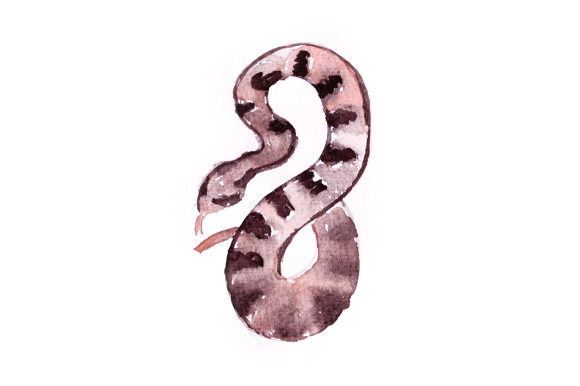
Some embroidery designs arrive with a clear sense of personality, and Watercolor Snake does exactly that. As soon as I opened the file, I could see the gentle, painterly flow of the snake's body—soft edges, organic curves, and the kind of washed color transition that feels more like a brushstroke than a hard vector outline. This is not a rigid, aggressive reptile motif. It reads calm, artistic, and almost meditative, which immediately sets it apart from the typical bold snake designs that dominate the Animals category in digital Crafts marketplaces.
The design comes with the formats you actually need for real work: an SVG file, a transparent PNG, an EPS, and a DXF. For embroidery digitizing, that SVG and transparent PNG are gold. The layered structure inside the SVG gives me a clean starting point for mapping out stitch regions, and the PNG lets me see exactly how the transparency interacts with different fabric backgrounds before I even open my digitizing software.
First Impression and the Mood It Creates
What strikes me most about Watercolor Snake is how the shape avoids the typical coiled or striking pose. Instead, the snake curves in a relaxed, flowing composition that almost feels like a brush painting come to life. The watercolor texture—those soft bleeds and subtle color shifts—creates an artistic, slightly bohemian mood. It would not look out of place on a gallery wall print, but in embroidery, that same softness needs thoughtful translation.
For a machine embroidery design, the watercolor effect presents both a creative opportunity and a technical challenge. The organic color transitions mean I will need to plan my thread colors carefully, layering analogous shades with a light hand. A fill stitch with reduced density in certain areas can mimic that airy, transparent quality, while a subtle running stitch outline can hold the shape together without killing the painterly vibe. This is not a design where you want heavy, bulletproof satin stitch borders everywhere. The charm lives in the softness.
Where This Design Naturally Belongs
I kept picturing this on a natural linen tote bag. A few days ago, a client asked me to prepare a small batch of handmade product samples for a boutique shop, and I immediately thought of Watercolor Snake stitched onto an unbleached cotton tote. The earthy, artistic feel would appeal to customers who lean toward modern, understated style rather than loud graphics. It feels like the kind of embroidery project that would catch someone's eye at a craft fair and make them stop to ask about the technique.
Beyond tote bags, the design fits beautifully on pillow covers for a nature-inspired living room, on the back of a lightweight denim jacket as a statement piece, or even on a kitchen towel for someone who loves unusual, art-driven home accents. For custom apparel, I can see it working on a relaxed-fit sweatshirt, stitched in muted olive or dusty rose threads against a cream or oatmeal fabric. The shape is long and horizontal, which makes it perfect for placements across the chest, along the side of a sleeve, or centered on a wide tote panel.
For Etsy sellers and small shop product creators, Watercolor Snake offers strong differentiation. Most snake embroidery designs lean aggressive or tribal, but this one feels gentle and almost botanical. That gives it a unique position in a craft business catalog. A personalized gift version—adding a name or a small date beneath the snake in a delicate script—could become a reliable seller, especially for customers who love snakes as spirit animals or symbolic creatures.
Testing the Design on Real Fabric
Before committing to any client order, I always run a test stitch on scrap fabric. With Watercolor Snake, I would recommend testing on medium-weight cotton or a cotton-linen blend first. The design's soft transitions need a stable surface to read clearly. Stretchy or loosely woven fabrics can distort the subtle color shifts and make the watercolor effect look muddy. A good cut-away stabilizer is essential here, especially if you plan to stitch this on baby embroidery items or apparel that will face regular washing.
Thread color selection is where this design really asks for your attention. The watercolor look depends on blending, so pick three to four shades within the same color family and test them side by side. I would avoid high-contrast outlines unless you intentionally want to break the painterly mood. A monochromatic approach—soft greens fading into lighter sage, or warm terracotta melting into blush—keeps the artistic integrity intact. Dark fabric can work, but the transparency effect will behave differently. On a black background, lighter thread colors will pop, but the watercolor illusion may shift toward a more graphic, illustrated look. Neither is wrong, but you should know which one you are aiming for before you start stitching.
Real-Life Scenario: The Custom Tote Order
Let me walk through a real scenario. I recently had a customer who wanted a nature-inspired tote for her sister's birthday. She wanted something unique, not floral, not geometric, and definitely not generic. I showed her Watercolor Snake mocked up on a soft oatmeal canvas, and she loved it immediately. The snake felt symbolic to her—transformation, renewal—and the watercolor style made it feel intimate and handmade rather than commercial.
I stitched the design at about seven inches wide, centered on the front panel of the tote. Thread choices were three shades of dusty teal, with the lightest shade used sparingly in the belly and the darker tones along the back. I kept the stitch density moderate, leaning lighter in the watercolor wash areas to let the fabric breathe through. The result was exactly what I had hoped: a finished product that looked like someone had painted directly onto the fabric. The customer sent me a photo of her sister opening the gift, and the reaction was pure delight. That kind of buyer engagement is what a well-chosen embroidery file can deliver.
Where Caution Is Needed
Small hoop sizes are not this design's friend. Because the snake shape is elongated, shrinking it down too much will collapse the watercolor detail into a dense, unreadable blob. I would not go below a four-inch width without testing first, and even then, I would simplify the stitch mapping to preserve clarity. If you need an embroidered patch version, consider isolating the head or a coiled segment rather than forcing the full design into a tiny space.
Textured fabrics like terry cloth or heavy knits can also fight against the soft transitions. The watercolor effect relies on smooth, even stitching, and a bumpy surface will scatter the visual flow. Similarly, curved surfaces like caps require careful placement. The long horizontal shape may warp around the cap's curve, so I would test it on a flat panel first or rotate the design to fit a more vertical orientation on the side of the hat.
For holiday embroidery or items that will be washed frequently, pay attention to thread quality. The lighter, blended areas of the design can show wear faster than solid satin stitch sections. A gentle wash cycle and air drying will help preserve the watercolor subtlety over time.
How Watercolor Snake Elevates Product Value
From a seller's perspective, Watercolor Snake adds a layer of artistic credibility to your product line. It does not look like a mass-produced design. The watercolor quality gives it a gallery feel, and that perception translates directly into higher perceived value. A sweatshirt embroidery featuring this design can command a premium price because it looks like a custom art piece rather than a standard decal. For printable mockup use, the transparent PNG works beautifully for creating lifestyle product previews that feel authentic and editorial.
Brand consistency matters too. If your shop's aesthetic is modern, organic, or art-driven, Watercolor Snake fits that narrative without forcing it. It plays well with botanical themes, celestial motifs, and other nature-inspired design assets. Buyers who trust your eye for unique digital embroidery file selections will return because they know you offer something they cannot find everywhere else.
Practical Designer Notes Before You Stitch
Here are the steps I follow before putting any embroidery design into production, and they apply directly to Watercolor Snake. First, open the SVG and inspect the layering. Clean layers make digitizing faster and more accurate. Second, test the design in a black and white mockup to see how the values hold up without color. If the shape reads clearly in grayscale, it will stitch well on varied fabrics. Third, sew a sample on the exact fabric you plan to use for the final product. No shortcuts here. Fourth, confirm the hoop size you need and check whether the design needs to be split for smaller machines. Finally, review the licensing terms before selling finished items or including the design in a commercial embroidery product line. The files include SVG, transparent PNG, EPS, and DXF formats, but always verify what usage rights come with your purchase.
Is This Design Right for Your Next Project?
If you create for customers who appreciate subtlety, artistry, and a touch of the unexpected, Watercolor Snake belongs in your collection. It is not the loudest design in the Animals category, but it may be one of the most memorable. The watercolor effect challenges you to think about stitch density, thread blending, and fabric choice in a more intentional way, and that kind of thoughtful work shows in the final product. For craft business owners building a brand around handmade product quality, this design can become a quiet signature piece that loyal customers recognize and request.
Stitch it on a tote, stitch it on a sweatshirt, frame it on a pillow cover, or offer it as a personalized gift with a name delicately placed beneath the curve of the snake. Whatever you choose, test first, trust your thread palette, and let the watercolor soul of the design guide your hand. The result will speak for itself.