You Can Do Anything, Not Everything Watercolor Review
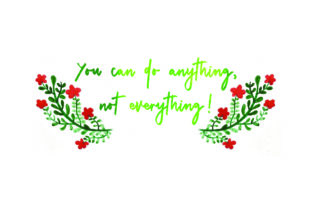
I opened the file folder for You Can Do Anything, Not Everything - Watercolor expecting another generic script quote. What I found instead was a design that actually made me pause. The watercolor texture gives it a soft, hand-painted personality that feels genuine rather than mass-produced. As someone who stitches samples for client approval and runs my own small product line, I immediately started picturing where this one belongs. Not on a loud promotional tote. Not on a stiff corporate giveaway. This one wants to live on something personal, something a customer would reach for on a quiet morning.
The first thing that struck me was the balance between the lettering weight and the white space around it. The phrase itself is a gentle reminder, and the watercolor treatment softens the edges so it reads like a handwritten note rather than a bold declaration. For embroidery designers and craft business owners, that visual softness matters. It determines whether a design whispers or shouts on fabric. You Can Do Anything, Not Everything - Watercolor whispers. And in a market flooded with loud typography, that whisper stands out.
First Impression and Mood of the Design
The mood lands somewhere between reflective and encouraging. It is not overly sentimental. There is a restraint in the letterforms that makes the design versatile for both feminine and neutral product aesthetics. The watercolor effect—those subtle washes and slight color variations—gives the impression of pigment bleeding into paper. That organic quality is what separates this from a standard vector text file. If you are an Etsy seller or a handmade shop owner looking to add a quotes category to your embroidery line, this design offers a specific feeling, not just a saying.
I rotated the design file mentally through different product mockups. On a natural linen pillow cover, it would look like it was painted directly onto the fabric. On a soft crewneck sweatshirt, it would feel like a personal mantra rather than a logo. That is the kind of design asset that builds customer trust because it does not look like clip art. It looks intentional.
Real Project Scenario: The Custom Tote Bag Test
Let me walk you through a real scenario. I have a client who runs a small boutique selling curated gift boxes. She wanted a custom embroidered tote bag insert for her spring collection. The brief was simple: something meaningful, not too heavy, and visually soft enough to pair with pastel packaging. I pulled up You Can Do Anything, Not Everything - Watercolor and placed it in a mockup on a medium-weight canvas tote in a warm cream color. The watercolor texture translated beautifully into the digital preview. I could already see how the design would sit on the fabric—relaxed, approachable, with just enough detail to feel special without overwhelming the bag's clean lines.
I stitched a sample at a moderate size, roughly five inches wide, using a soft charcoal thread on the tote bag's front panel. The watercolor breaks in the lettering created natural gaps that let the fabric breathe through. It did not feel like a heavy block of stitching. That is a practical win for anyone who has ever embroidered on canvas and watched dense fills warp the material. The tote bag kept its drape. The design held its charm. And when I handed the sample to my client, her first reaction was not about the quote itself. It was about how the embroidery felt like part of the fabric, not something stamped on top.
How the Watercolor Effect Performs in Embroidery
Watercolor designs in machine embroidery present a unique challenge. The soft blends and uneven saturation that look gorgeous in a digital file do not always translate cleanly into thread. You need to think about stitch density, thread color choices, and how the natural breaks in the artwork will read once stitched. With You Can Do Anything, Not Everything - Watercolor, the texture is part of the design's identity. The gentle irregularities are intentional. That means the embroidered result will have a handcrafted, slightly imperfect look—which is exactly what many buyers of handmade products want.
However, I would strongly recommend testing this design on your chosen fabric before committing to a production run. The watercolor texture may look different on a tightly woven cotton versus a plush fleece. On a sweatshirt with a high nap, some of the finer watercolor details could get lost in the fabric texture. On a smooth tea towel or a baby onesie, those same details will read more clearly. This is not a flaw in the design. It is a reminder that embroidery is a collaboration between the file and the fabric. Understanding that relationship is what separates a professional finished product from a disappointing one.
Where This Design Belongs in Your Product Line
I see You Can Do Anything, Not Everything - Watercolor fitting into several product categories naturally. It works well for personalized gifts, especially for new mothers, graduates, or anyone navigating a season of overwhelm. The message is broad enough to resonate across ages but specific enough to feel personal. Here are some product ideas that make sense for this design:
- Custom apparel: Crewneck sweatshirts, relaxed t-shirts, and lightweight hoodies in neutral tones.
- Home textiles: Pillow covers, kitchen towels, and nursery decor pieces.
- Accessories: Canvas tote bags, zip pouches, and embroidered patches for jackets or backpacks.
- Gift items: Holiday gift sets, wedding gifts, and boutique product bundles.
- Baby and children's items: Soft blankets, onesies, and keepsake pieces for nurseries.
The watercolor style adds a layer of sophistication that makes these products feel more curated. For Etsy sellers and craft fair vendors, having a design that photographs well is half the battle. The organic texture of this one catches light differently than a solid fill stitch, which means your product photos will have more visual depth. That matters when buyers are scrolling through dozens of listings.
Practical Considerations Before You Stitch
Before you load this design onto your machine, there are several practical points to check. The product description notes that you receive SVG, transparent PNG, EPS, and DXF files. Those are vector and digital formats great for mockups, printable mockup previews, and design software. However, if you are planning to embroider this design, you need to confirm that you have a proper machine embroidery file format compatible with your equipment. The listing as provided does not specify embroidery file formats like PES, DST, EXP, or JEF, so verify that before purchasing if your goal is direct stitching.
Beyond file format, here are the key variables to test:
- Hoop size: Determine the minimum and maximum hoop sizes that keep the lettering legible. Small lettering with watercolor texture can become muddy if scaled too far down.
- Stitch density: Check whether the watercolor effect relies on light fill stitches or open areas. Too much density on thin fabric causes puckering. Too little on stretchy fabric may cause gaps.
- Thread color contrast: Test on both light and dark fabric backgrounds. The watercolor effect might disappear on a dark fabric if the thread color does not have enough contrast.
- Stabilizer choice: A design with varying stitch density needs proper backing. Use a cutaway stabilizer for knits and a tearaway for woven fabrics, and always test on scrap fabric first.
- Fabric texture: Run a sample on the exact fabric you plan to sell. The design will look different on terry cloth, denim, fleece, and quilting cotton.
I also recommend viewing the design in a black and white mockup to understand how the values read without color. This reveals whether the watercolor texture has enough tonal variation to stand on its own or if it relies heavily on hue to create the painted effect. That information helps you choose thread colors that preserve the original mood.
Commercial Use and Customer Perception
For craft business owners and digital product sellers, the licensing question is critical. The product description does not explicitly state commercial use terms, so you need to confirm what is allowed before selling finished products or including this design in a digital bundle. If you are an Etsy seller offering custom embroidered sweatshirts or personalized tote bags, you want to be clear on whether the license covers physical finished products, digital resale, or both. Always check the seller's terms rather than assuming.
From a customer perception standpoint, You Can Do Anything, Not Everything - Watercolor has strong buyer appeal. The message is positive without being preachy. It acknowledges limitation in a gentle way, which resonates with customers who are tired of aggressive motivational slogans. In my experience, designs that validate rather than pressure tend to sell steadily over time. They are not trend-driven. They are emotion-driven. That longevity matters for small shop product planning.
Stitching Clarity and Brand Consistency
When I think about brand consistency for a handmade business, I look for designs that share a cohesive visual language. The watercolor style of this piece pairs well with floral elements, soft botanical motifs, and other painterly textures. If your shop already carries watercolor-themed designs, this one will blend right in. If your brand is more graphic and bold, it might feel like a departure. Either way, the design's clarity after stitching depends heavily on your material choices and digitizing quality. I have seen watercolor embroidery files that stitch out beautifully and others that turn into a chaotic mess of jump stitches. Test the specific file you receive.
For apparel decorators and boutique owners, the design offers enough white space to feel airy on a garment. It does not demand to be the center of attention. That restraint makes it suitable for left-chest placements on shirts, corner accents on pillow covers, or centered placements on tote bags. The versatility across placement options increases the number of products you can create from a single design file.
Final Practical Notes for Makers and Sellers
If you decide to add You Can Do Anything, Not Everything - Watercolor to your embroidery project lineup, keep these points in your production notes:
- Run a stitch test on the actual fabric and stabilizer combination you plan to sell.
- Offer the design in two or three thread color options to match different fabric backgrounds.
- Consider offering it as part of a quotes bundle for holiday gift shoppers.
- Use the transparent PNG file for printable mockups and listing photos to show scale and placement accurately.
- Photograph the finished product in natural light to capture the watercolor texture's subtlety.
- Check the design's performance after washing to ensure the softer stitch areas hold up over time.
This is not a design for every project. It is not the right choice for a high-contrast sports cap or a glossy promotional item. But for the maker who curates her product line with care, who chooses fabrics thoughtfully, and who understands that some customers are looking for something quiet and kind, You Can Do Anything, Not Everything - Watercolor delivers. It earns its place in the crafts and quotes category not by being loud, but by being exactly what it says: a reminder that you can do anything, but you do not have to do everything.