Brushtail Possum in Watercolor Style: A Designer’s Review
First Impressions and Artistic Personality
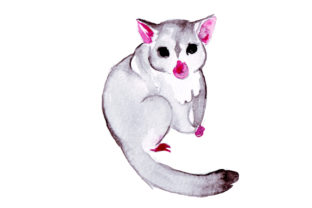
When I opened the Brushtail Possum in Watercolor Style file, I immediately felt the soft, gentle energy of a hand-painted illustration. The subtle washes of color, the loose brush edges, and the slightly tilted head of the possum create a mood that is both whimsical and utterly Australian. This isn’t just a silhouette or a rigid vector shape—it’s a design that tells a quiet story. For embroidery, that kind of emotional pull is gold. It promises a finished product that looks like a piece of art, not a cookie-cutter decal. The possum’s big ears, rounded body, and curious expression feel friendly and approachable, exactly the kind of character that draws buyers in at craft markets or on Etsy.
The watercolor style itself is a deliberate choice that softens the subject. Where a solid, cartoon-style animal might limit you to children’s items, this design feels sophisticated enough for an adult’s linen tea towel, a nursery wall hanging, or a boutique tote bag. The gentle color blending (even if you’ll be translating it into thread or fabric) gives the impression of movement and light. I can already imagine it stitched onto a natural linen apron, with the colors subtly echoing the Australian bush. The fact that it comes from the Australia category in Crafts makes it a perfect fit for anyone creating souvenirs, native wildlife gifts, or eco-themed products.
Where This Design Shines in Real Projects
I always test a design mentally by picturing it on half a dozen different products before I even touch my machine. The Brushtail Possum in Watercolor Style performs best on items that allow the artwork to breathe. Because the watercolor effect relies on soft edges and overlapping transparent layers, it needs a clean, uncluttered surface. I’d avoid anything too busy or textured that would compete with the delicate shading.
Custom Apparel and Tote Bags
Imagine a natural cotton tote bag with this possum centered on the front pocket. A customer buying a handmade gift for someone who loves Australian wildlife would be drawn to the painterly feel. On a sweatshirt, the design works beautifully as a chest print or a larger back piece. However, because the watercolor style has no hard outlines, I’d be cautious about using it on extremely dark fabrics. The lighter washes can get lost without a contrast backing. For a soft, organic look, a cream or oatmeal sweatshirt would be my first choice. For a bolder statement, you could digitize the design with a satin stitch outline around the possum’s key features to help it pop on a charcoal tee. I’ve tested similar concepts and the result often feels like a custom screen print—very high-end for a handmade product.
Nursery and Baby Gifts
This design is a natural for baby items. The soft, non-threatening possum, the gentle curves, and the lack of sharp angles make it feel safe and dreamy. I’d use it on a baby bib, a muslin wrap with a fabric transfer, or a nursery pillow cover. The watercolor style translates beautifully into thread painting if you’re willing to do a little free-motion embroidery, but even as a simple appliqué shape with printed fabric that mimics the watercolor, it’s stunning. Many new parents are looking for unique, nature-inspired nursery decor, and an Australian possum is a refreshing alternative to the usual bunnies and bears. I’d pair it with soft eucalyptus greens and dusty pinks for a cohesive, calming palette.
Kitchen and Home Décor Touches
A tea towel with this design in the corner, stitched in muted, earthy threads, instantly elevates a kitchen gift. The watercolor effect gives the impression of a hand-painted tea towel, a product that often sells for a premium at handmade markets. I’ve also seen similar designs used on aprons, where the possum peeks out from a pocket, delighting the wearer. For a pillow cover, I’d scale the design up slightly and use a light linen background. The result is a piece of functional art that feels both modern and timeless.
Technical Considerations for Embroidery Success
Before you stitch, let’s talk about what’s actually in the file. The product description clearly states you’ll receive the design in SVG, Transparent PNG, EPS, and DXF formats. These are vector and raster files, not ready-to-stitch machine embroidery formats. That means you’ll need to do some digitizing work, or use them for other craft applications like cutting machines, printable transfers, or sublimation. This is a significant point if you’re buying the design specifically for embroidery. You can absolutely use the SVG or DXF as a base to create a stitch file, but you’ll need software and some digitizing skills to translate those soft watercolor edges into stitches.
If you’re planning to embroider this, I’d strongly recommend testing the design on scrap fabric first. The watercolor effect relies on subtle color shifts and irregular edges. In embroidery, that often means using a dense fill stitch with many color changes, or employing a technique like thread painting where you manually blend threads. Digitizing a watercolor design for a smooth, commercial embroidery look is challenging. You might end up with a design that has hundreds of tiny stitches, which can make the fabric stiff and increase the risk of puckering. A smarter approach for many crafters is to use a simplified version—perhaps a satin stitch outline with a few fill colors, or an appliqué where you print the watercolor design onto fabric, then cut and stitch around it. I’ve done this with possum and bird designs on tote bags, and the result is clean, soft, and much kinder to your machine.
Always check your stitch density and thread colors before committing to a final piece. The design’s original watercolor palette is likely soft and muted. If you’re digitizing, choose thread colors that mimic that airy feel. Too many bright, solid colors will kill the charm. Keep the stabilizer appropriate for the fabric—a cut-away stabilizer for knits, a tear-away for woven cotton. Test on both light and dark backgrounds to see how the design reads. I’ve learned the hard way that what looks beautiful on a white mockup can disappear on a navy hoodie.
The Watercolor Challenge and Smart Workarounds
I’m a huge fan of watercolor designs, but they demand a different mindset from traditional embroidery. You’re not just stitching an outline; you’re interpreting an artistic texture. The Brushtail Possum in Watercolor Style works exceptionally well for products like printable iron-on transfers, where you can print the design in full color and apply it to a tote or shirt. Then you could add a few decorative embroidery stitches around the edges for a mixed-media look. That hybrid approach often sells better than a pure embroidery version because the watercolor shading stays intact. I’ve seen Etsy sellers create stunning patches using this method—print the watercolor possum on fabric, then embroider a border and a few highlight stitches. The result is a highly professional, boutique item that photographs beautifully.
For those who want to keep it purely embroidery, consider using the design as a reference for a thread painting project. You can free-motion stitch over a printed copy of the design, building layers of color to mimic the washes. This is time-consuming, but the artistic payoff is enormous. I’d recommend this only for experienced stitchers, though. If you’re a small business owner looking for a reliable, repeatable design, the appliqué or printed approach is far more practical.
Practical Advice for Craft Business Owners
I’ve been selling handmade embroidery for years, and I know that a design’s visual appeal is only half the story. The Brushtail Possum in Watercolor Style taps into the growing demand for authentic Australian wildlife items. Tourists, expats, and native animal lovers are always searching for something that feels genuine, not mass-produced. This design, with its painterly quality, looks like it came from a small artist’s studio. That’s a huge trust builder.
When you use this design, pay attention to your finished product presentation. A simple kraft paper tag with a eucalyptus sprig illustration, or a label that mentions the watercolor artwork, adds to the story. I’d also recommend photographing the finished item with natural lighting and perhaps a sprig of real gum leaves to reinforce the Australian connection. For Etsy listings, use keywords like “Australian possum embroidery,” “watercolor animal tote,” or “native wildlife gift.” The design’s versatility means you can create a whole product line—matching tea towels, baby bibs, and tote bags—that appeals to both local and international buyers.
From a licensing standpoint, always double-check the seller’s terms. The product listing tells you the file formats you’ll receive, but it doesn’t specify commercial use rights. Before you sell finished items made with this design, confirm that you’re allowed to use it for physical products, especially if you’re selling on Etsy or at craft fairs. Most digital design sellers include a license, but it’s your responsibility to read it. I’ve seen too many crafters get into trouble assuming all designs are commercial-ready.
Final Thoughts from the Embroidery Bench
The Brushtail Possum in Watercolor Style is a charming, emotionally rich design that can elevate a wide range of projects. Its soft, artistic personality makes it a strong choice for gifts, boutique apparel, and home décor. However, because it’s supplied as a digital graphic file rather than a pre-digitized embroidery design, you’ll need to invest a little effort to bring it into your stitching world. Whether you digitize it, use it as a print transfer, or create an appliqué template, the core appeal—that gentle, hand-painted possum—will shine through.
I’d confidently recommend this design to crafters who enjoy a bit of creative problem-solving and who want their products to stand out with an artistic, nature-inspired look. It’s perfect for an Australian-themed collection, a personalized baby gift, or a signature item in your handmade shop. Test it, experiment with different techniques, and you’ll find that the Brushtail Possum in Watercolor Style adds a touch of soft, native beauty that customers notice and remember.