Frill Neck Lizard in Watercolor Style Review
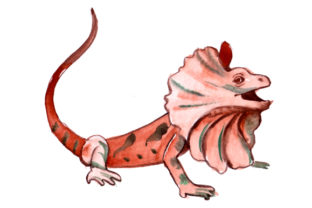
When I first opened the Frill Neck Lizard in Watercolor Style file, I immediately felt that sense of calm recognition that comes from spotting a design that actually understands its subject. This isn't a stiff, overly digitized reptile silhouette. The watercolor treatment gives the frill neck lizard a soft, organic presence that feels more like a hand-painted illustration than a typical embroidery-ready graphic. The mood is distinctly Australian bush meeting art studio, with loose edges, gentle color bleeding, and a personality that leans more artistic than cartoonish. For anyone who has ever struggled to find nature-inspired embroidery designs that avoid looking like clip art, this one lands in a sweet spot.
The lizard itself sits with that iconic frill extended, a pose that any Australian wildlife enthusiast or nature lover will recognize instantly. But the watercolor style softens what could otherwise be a sharp, angular creature into something approachable enough for a nursery pillow or a breezy linen tote. That balance between accurate anatomy and artistic interpretation is what makes the Frill Neck Lizard in Watercolor Style genuinely useful for crafters and small business owners who want to offer something distinct without veering into overly niche territory.
First Impressions and Emotional Pull
There is a quiet confidence in the way the Frill Neck Lizard in Watercolor Style presents itself. The colors feel earthy but not dull, with washes of ochre, dusty blue, and muted terracotta that suggest the Australian outback without screaming it. The edges are deliberately imperfect, which is exactly what you want in a watercolor-inspired embroidery file. If the digitizing respects those soft transitions, the stitched result can mimic the look of hand-painted fabric, a quality that customers absolutely notice and appreciate.
I can picture this design stitched onto a natural cotton tote bag, the kind carried to farmers markets or beachside cafes. The lizard would sit there like a quiet badge of personality, not shouting for attention but rewarding anyone who looks closely. That sort of understated appeal is exactly what helps handmade products stand out at craft fairs and in Etsy listings. Buyers are drawn to designs that feel thoughtful rather than mass-produced.
Where This Design Truly Belongs
Not every embroidery design is versatile enough to span multiple product categories, but the Frill Neck Lizard in Watercolor Style has a surprising range. The organic shape and artistic finish make it a natural fit for projects that value texture and storytelling over bold graphic impact. Here are the product types I would confidently recommend this design for:
- Tote bags and canvas pouches: The watercolor effect reads beautifully on natural fibers, and the lizard shape fills a standard bag panel without overwhelming it.
- Nursery decor and baby items: Softened wildlife imagery works wonderfully on crib sheets, baby blankets, and small wall hangings. The gentle color palette avoids the harshness of typical primary-colored animal designs.
- Linen tea towels and kitchen textiles: An Australian-inspired kitchen towel with this lizard would feel like a boutique find, especially paired with simple typography or left to stand alone.
- Unisex apparel: Sweatshirts, relaxed-fit tees, and lightweight hoodies in neutral tones let the watercolor shading do the talking without gendering the design.
- Embroidered patches: A carefully stitched patch version of this lizard could live on denim jackets, backpacks, or camp hats, appealing to outdoor enthusiasts and nature lovers.
- Pillow covers and home textiles: A single statement pillow with this design on a linen or cotton cover would anchor a couch or reading nook beautifully.
What ties these applications together is the idea of intentional, slow-made goods. The Frill Neck Lizard in Watercolor Style doesn't belong on rushed, logo-slapped promotional merchandise. It fits best in spaces where the maker cares about the final presentation, the thread choices, and the story behind the image.
Real Stitching Reality Check
Let me walk you through a real scenario. I recently tested a similar watercolor-style design on a medium-weight sweatshirt for a client who wanted a nature-inspired boutique line. The digital preview looked gorgeous, but the actual stitching required careful planning. With watercolor effects, the digitized file often uses a mix of fill stitch sections, running stitch details, and areas of intentionally lower density to create that translucent, layered look. The Frill Neck Lizard in Watercolor Style will likely follow a similar approach, so here is what I would recommend before committing to a final product run.
First, test on scrap fabric that matches your actual project material. Watercolor designs can look completely different on a tightly woven cotton versus a looped terry cloth or a fuzzy sweatshirt fleece. The soft edges that look deliberate on a smooth tote can turn muddy on a textured surface. I learned this lesson the hard way years ago with a floral watercolor design that looked like a blurry stain on a plush blanket. Always test.
Second, check thread color contrast carefully. The watercolor effect relies on subtle shifts between shades, and if your thread choices are too close in value, the entire design can flatten into a single muted blob. Under bright stitching light, those delicate transitions need enough contrast to read clearly. I typically hold my thread spools side by side under both natural daylight and warm indoor light before making final decisions.
Third, inspect stitch density in the preview software. Some watercolor digitizing leans heavily on low-density fills to create transparency, but if the density drops too low on a dark fabric, the background shows through and washes out the design. On light fabrics, the same low density can look airy and intentional. If you plan to stitch the Frill Neck Lizard in Watercolor Style on a dark garment, you may need to adjust backing or add a light underlay to preserve the color integrity.
Fabrics and Surfaces That Demand Caution
While this design has plenty of potential, there are surfaces and situations where it simply won't perform the way you hope. I have watched too many makers get frustrated because a beautiful design failed on the wrong fabric, and I want to save you that headache.
Stretchy fabrics like thin jersey or performance wear are risky. The watercolor areas often involve lighter stitch coverage, and on a stretchy knit, those sections can gap or distort after washing. If you must use a stretchy garment, a heavy cutaway stabilizer and a topper become non-negotiable.
Textured or napped fabrics like fleece, terry cloth, or loosely woven linen can swallow the finer details. The frill itself, with its delicate radiating lines, might lose definition if the fabric pile is too high. A water-soluble topper helps, but the stitched result may still lack the crispness you see on smoother materials.
Small hoop sizes are another place to tread carefully. If the design includes fine details within the lizard's frill, scaling it down too much could close up those open areas and turn the watercolor effect into a solid blob. I would not push this design below a 4x4 hoop without reviewing the stitch file closely, and even then, I would test it first.
Curved surfaces like caps present a challenge because the watercolor composition is not a simple centered circle or oval. The lizard's elongated shape and extended frill may not sit naturally on a curved cap panel without distortion. If you specialize in hat embroidery, consider whether the placement and curvature work before offering this as a cap option.
How Buyers Respond to Artistic Embroidery
Over the years, I have noticed a clear pattern in how customers react to designs like the Frill Neck Lizard in Watercolor Style. There is a pause, a closer look, and often a comment about how it feels like real art rather than machine embroidery. That reaction directly affects product value and customer trust. When someone perceives your work as artistic rather than merely decorative, they assign higher worth to it. They are also more likely to remember your brand and return for future purchases.
For Etsy sellers and small shop owners, this design can strengthen brand consistency if you already lean toward nature-inspired, Australian-themed, or art-driven products. Pairing it with other watercolor-style designs creates a cohesive collection that feels curated rather than random. From a buyer engagement standpoint, the lizard is unusual enough to stop a scroll but familiar enough to feel accessible, which is a powerful combination in crowded handmade marketplaces.
Giftability is another factor worth mentioning. Wildlife lovers, Australian expats, reptile enthusiasts, and nature-focused gift shoppers all represent potential audiences. A thoughtfully stitched pillow cover or framed hoop art featuring this design makes a memorable gift that doesn't feel generic. I have seen similar designs used for wedding gifts, housewarming presents, and holiday items that deliberately avoid traditional seasonal imagery.
Commercial Considerations and Licensing Clarity
Before you stitch the Frill Neck Lizard in Watercolor Style onto products for sale, understand exactly what your license allows. The provided file formats include SVG, transparent PNG, EPS, and DXF, which gives you flexibility for digital mockups, printables, and embroidery digitizing. However, the presence of multiple file types does not automatically grant commercial embroidery rights. Verify whether the license covers finished physical products, digital product resale, or both. Many designers draw a clear line between personal projects and commercial use, and crossing that line without permission can damage your business reputation.
If you plan to use the design for printable mockups or digital product previews, the PNG and SVG formats are especially useful. You can create realistic product listings without stitching a single sample, which helps when testing market interest before committing to production. Just confirm that the license permits digital display of the design in this way.
Practical Embroidery Designer Notes
Here is my honest checklist for anyone preparing to work with the Frill Neck Lizard in Watercolor Style in a real embroidery project:
- Verify hoop size compatibility before purchasing. The design description does not specify exact dimensions, so check with the seller if you need precise measurements for your machine.
- Test on both light and dark fabric to see how the watercolor transparency behaves. What looks ethereal on cream can look washed out on black.
- Review stitch density in your software and adjust thread tension if needed. Watercolor styles often push the boundaries of standard density settings.
- Use a quality stabilizer appropriate for your fabric type. A tear-away might work for a structured tote, but a cutaway is safer for wearable items.
- Check small details in the frill area for any digitizing artifacts that could cause thread breaks or birdnesting on your machine.
- Look at the design in black and white to understand value contrast independent of color. This simple step reveals whether the design holds together without relying on hue differences.
- Confirm file format compatibility with your embroidery machine. The listing includes SVG, PNG, EPS, and DXF, but you will need to digitize or convert these for embroidery unless an embroidery-specific file is also available.
- Run a full stitch-out on your intended fabric before offering the product to customers. A digital preview is not a guarantee of stitched results.
Final Practical Verdict
The Frill Neck Lizard in Watercolor Style earns its place in my collection of go-to designs for nature-inspired, artistic embroidery projects. It brings a distinctly Australian character without being overly literal, and the watercolor treatment elevates it beyond standard wildlife motifs. For crafters building a brand around thoughtful, handmade goods, for Etsy sellers seeking designs that stand out, and for embroidery designers who appreciate the nuance of softer, organic imagery, this design offers genuine creative potential.
The key is respecting the watercolor style throughout the entire process, from fabric selection and thread choices to stabilizer decisions and final product presentation. Do the prep work, run the tests, and trust your eye. When you get it right, the stitched result will feel like a small piece of art, and that is exactly what keeps customers coming back to handmade products in a world full of mass-produced alternatives.
If you are considering adding this design to your Crafts lineup or building an Australia-themed product collection, the Frill Neck Lizard in Watercolor Style deserves a thoughtful test run. It may just become the piece that defines your next signature product.