Goanna in Watercolor Style: A Designer’s Practical Review
There’s a quiet confidence that comes over you when you first open a design file and immediately start picturing it on a finished product. The Goanna in Watercolor Style did that for me. As someone who tests and reviews embroidery designs for real-world use, I’m not easily impressed by a pretty preview. I need to know how a shape will sit on fabric, how a customer will react to the stitched version, and whether the design will actually make a handmade product more valuable. This one has a mood that’s hard to ignore.
I’ll walk you through exactly what I considered before loading it into my workflow, where I think it belongs, and what I’d tell any embroiderer, Etsy seller, or craft business owner before they stitch it out.
What the Watercolor Goanna Brings to Your Embroidery Machine
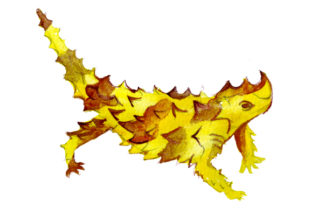
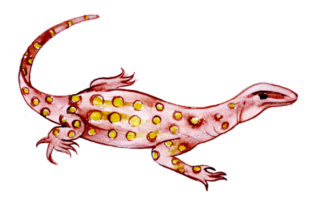
The first thing you notice is the softness. The watercolor style isn’t your typical solid-shape embroidery file. There’s a painterly, almost fluid movement to the goanna’s body. The edges drift and fade, the tail curls with a gentle irregularity, and the overall silhouette feels organic rather than stiff. It immediately communicates a handmade, boutique feel. In a market flooded with crisp vector-style animal designs, this one reads as artistic and thoughtful.
For machine embroidery designers, this is both a gift and a puzzle. The gift is that the watercolor effect sets your stitched product apart. The puzzle is that you need to translate that softness into thread without losing the design’s soul. I’ll get into that shortly.
The Moment It Clicked for Me
I was planning a small batch of custom woven tote bags for a nature-inspired shop. The client wanted something distinctly Australian, subtle, and not too sporty. As soon as I opened the Goanna in Watercolor Style file, I knew it was the right fit. I pictured it on a natural linen tote, the goanna’s form stretching across the lower corner in muted ochre, olive, and slate thread. The watercolor effect would feel like a delicate hand-painted accent, not a heavy patch. That’s when the practical questions started.
I didn’t just want a pretty mockup. I needed to know if the stitched reality would hold up to daily use, how the thread colors would layer, and whether the design would lose its character on darker fabric or textured surfaces. So I began working through the details every embroiderer should consider before committing to a project like this.
Choosing the Right Canvas
This design naturally leans toward products that invite a closer look. Tote bags, cushion covers, lightweight jackets, pillow shams, and tea towels all make sense. The watercolor style feels intimate, so I’d avoid placing it on anything that demands a loud, high-contrast graphic. It’s perfect for a nursery wall hanging, a baby blanket accent, or a personalized apron. If you sell embroidered patches, the goanna could work as a soft-edged, artistic patch on a denim jacket or a canvas backpack.
Where you need to be careful: small hoop sizes. The watercolor effect relies on subtle transitions and fine detail loss. If you shrink the design down to fit a 4x4 hoop, those nuanced edges might become muddy. I’d recommend keeping the goanna at least 5 inches wide to preserve the visual flow. Test it first on a scrap of the same fabric you’ll use for the final product. That’s non-negotiable.
Fabric and Stabilizer Reality Check
This is where your experience as a machine embroidery designer really kicks in. The Goanna in Watercolor Style is not a dense, satin-stitch-heavy design. It will likely translate into varied fill stitches, running stitches, and possibly some low-density areas. On thin or stretchy fabric, that can lead to puckering if you don’t use the right stabilizer. I always test a new design on a medium-weight woven cotton first, using a cut-away stabilizer, to see how the stitch density behaves. Then I’ll move to a knit if I’m planning sweatshirt embroidery.
For a tote bag, a tear-away stabilizer might be enough, but if you’re stitching on a baby onesie or a stretchy cap, go with a fusible mesh cut-away. The design’s organic edges won’t have a heavy outline to hold everything in place, so the stabilizer is doing extra work. Dark fabrics present another challenge. The watercolor effect often relies on subtle color blends. On a black background, those soft greens and browns might disappear. I’d test the design on both light and dark fabric scraps before choosing your thread palette.
When the Design Shines and When It Needs Care
I always ask myself: what will a customer see when they pick up the finished product? With the Goanna in Watercolor Style, the answer is a piece that feels considered and a little bit rare. It’s not a mass-produced-looking graphic. That’s a huge advantage for your craft business, whether you’re selling on Etsy, at a market, or through your own boutique. People buy items that tell a story. A goanna rendered in watercolor threads suggests a connection to the Australian landscape, maybe even a hint of Aboriginal art influence, without being literal or appropriative.
That said, the design won’t work for every project. If you need something that reads clearly from across a room, this might be too subtle. It’s not a bold, high-contrast emblem. It’s a quiet, detailed piece. I’d avoid using it on heavily textured fabrics like terry cloth or fleece, where the watercolor transitions would get lost in the pile. Also, curved surfaces like caps: the goanna’s elongated body might warp around the crown, distorting the fluid shape. Flat or gently curved products are your friend here.
A Few Thread and Stitch Notes
Since the product description provides the design as SVG, Transparent PNG, EPS, and DXF files, you’re not getting a ready-to-stitch machine embroidery design. You’ll need to digitize it yourself or hire a digitizer. That’s a critical point. The watercolor effect is an artistic choice, not a stitch-defined file. You’ll need to decide how to interpret the washes of color. I’d lean toward low-density fill stitches in multiple directions, maybe some running stitch overlays, and a few strategically placed satin stitches for the goanna’s eye and claws. Keep the density on the lighter side to mimic the airy watercolor look.
Thread colors matter enormously here. Variegated threads could be a shortcut to that blended watercolor feel, but I’d test a few sample patches. Earthy tones—rust, moss, sand, muted teal, charcoal—tend to work beautifully. If you’re stitching a holiday gift, you could experiment with a warm, autumnal palette. For a baby item, soft neutrals and dusty blues keep it gentle. The transparent PNG is a great tool for creating printable mockups so you can show customers what the finished product will look like before you even thread the needle.
Selling Stitched Goannas: What Buyers Respond To
In my experience, products that feature a strong regional or nature theme often sell well in the handmade market. The Goanna in Watercolor Style has that appeal. It’s distinctly Australian, making it ideal for travel souvenirs, gift shops, or online stores that celebrate local wildlife. I’ve seen embroidered tea towels with native animals do very well at craft fairs. A linen tea towel with this goanna in the corner, maybe paired with a simple eucalyptus leaf motif, would be a strong seller. Similarly, a canvas tote bag with the design could become a staple for eco-conscious shoppers.
When you list such products, the watercolor effect is a selling point. Mention it in your description. Customers who appreciate art and handcrafted details will pay a premium for that extra layer of thought. And because the design is supplied as a digital embroidery file in graphic formats, you can also use it for printed items, sublimation, or hybrid projects, expanding your product line without extra design cost.
Before You Load the Hoop
I always keep a short mental checklist when I’m about to test a new design like the Goanna in Watercolor Style. Run through these points before you start your first stitch-out:
- Digitize the artwork using your preferred software, keeping the watercolor feel in mind. Don’t over-digitize; let the stitches breathe.
- Test the stitched sample on the exact fabric and stabilizer you plan to use for the final product.
- Check thread color contrast on both light and dark backgrounds. The watercolor effect may need a lighter thread on dark fabric to stay visible.
- Inspect small details like the goanna’s head and toes. Make sure they’re defined enough to be recognizable, but not so dense that they stiffen the fabric.
- Confirm the hoop size you’ll be using. The design should fit comfortably with at least a half-inch margin on all sides.
- If you’re offering this as a finished product, verify the license terms. The product description didn’t specify commercial use, so reach out to the designer or check the accompanying documentation before selling stitched items.
A Word on Licensing and File Use
Since the product page lists SVG, Transparent PNG, EPS, and DXF as the received formats, this is a design asset for crafters, not a pre-digitized embroidery file. You’re getting the artwork. That’s perfect if you’re comfortable digitizing or if you want the flexibility to use it for printables, sublimation, or other crafts. But if you’re strictly looking for a ready-to-stitch PES or DST file, you’ll need to do that conversion yourself. The transparent PNG is especially handy for creating digital product previews or listing photos for your Etsy shop.
I always remind fellow designers and small business owners: never assume commercial embroidery rights. If the listing doesn’t explicitly grant you permission to sell physical products made with the design, ask. It’s a simple step that protects your craft business. I’d also keep a copy of any correspondence or license file for your records.
Final Thoughts from the Hoop
The Goanna in Watercolor Style is a quiet, sophisticated design asset that can elevate a range of handmade products. It’s not a push-button embroidery file, but for those willing to digitize thoughtfully, it opens up a world of boutique, giftable, and deeply personal items. I’d use it again on a tote bag, a linen pillow cover, or a special baby blanket without hesitation. The watercolor effect, when stitched well, feels like a genuine upgrade from standard embroidery patterns.
If you’re a creative entrepreneur who loves the Australian wildlife theme and you’re not afraid of a little digitizing work, this design belongs in your library. Just test it first, respect the fabric, and let the goanna’s soft, painterly personality shine through every stitch.